

We’ve all had those days, you know the ones. Your toddler has a meltdown in the grocery store, work deadlines are looming, and you burned dinner while helping with homework. Building resilience as a busy mom isn’t about being perfect. It’s about learning how to bounce back from difficult days with grace and strength.
As someone who has navigated my own challenging seasons of motherhood and worked with other overwhelmed mothers, I’ve learned that resilience isn’t something you’re born with. It’s a skill you can develop. The ability to bounce back from difficult days is one of the most valuable tools any mother can cultivate. And it’s entirely within your reach.
Here’s what I want you to know: those overwhelming days don’t define your worth as a mother. They’re opportunities to build emotional strength and discover just how capable you truly are. Let me share evidence-based strategies for building resilience that will help you not just survive the tough days, but actually grow stronger from them.
What Is Resilience and Why It Matters for Busy Moms

Building resilience means developing the ability to adapt and recover from stress, adversity, and life’s inevitable challenges. For busy mothers, resilience is the difference between being completely derailed by a difficult day and being able to reset, recharge, and move forward with confidence.
Research shows that resilient mothers experience:
- Lower levels of chronic stress and anxiety
- Better emotional regulation during challenging moments
- Improved problem-solving skills under pressure
- Stronger relationships with their children and partners
- Greater overall life satisfaction and well-being
Why Resilience Is Crucial for Modern Motherhood:
The demands on today’s mothers are unprecedented. We’re managing households, careers, children’s schedules, and our own well-being—often with little support. Without resilience, these daily pressures can lead to:
- Chronic overwhelm and burnout
- Reactive parenting during stressful moments
- Difficulty bouncing back from setbacks
- Feelings of inadequacy and mom guilt
- Physical and emotional exhaustion
The Good News About Building Resilience:
Unlike personality traits you’re born with, resilience can be developed and strengthened over time. Every difficult day is actually an opportunity to build your emotional muscles and develop coping strategies that will serve you for years to come.
Signs You Need to Build Stronger Resilience

Recognizing when you need to focus on building resilience is the first step toward creating positive change. Many busy moms normalize chronic stress without realizing they could develop stronger coping mechanisms.
Emotional Signs You Need Resilience Building:
- Small setbacks feel overwhelming or catastrophic
- You ruminate on mistakes or difficult moments for days
- Criticism or judgment from others deeply affects your mood
- You feel like you’re constantly in survival mode
- Recovery from stressful events takes longer than it used to
Physical Signs Your Body Is Craving Resilience:
- Chronic fatigue that doesn’t improve with rest
- Frequent headaches or muscle tension
- Sleep disruption or racing thoughts at bedtime
- Changes in appetite or digestive issues
- Getting sick more frequently than usual
Behavioral Patterns That Indicate Low Resilience:
- Avoiding challenging situations or decisions
- Snapping at family members over minor issues
- Procrastinating on important tasks due to overwhelm
- Isolation from friends and support systems
- Turning to unhealthy coping mechanisms (excessive social media, emotional eating, etc.)
The Impact on Your Family:
When mothers struggle with resilience, it affects the entire family dynamic. Children pick up on our stress levels and may become more anxious or behavioral. Partners may feel like they need to walk on eggshells. Building your own resilience creates a calmer, more stable environment for everyone you love.
Evidence-Based Strategies for Building Resilience as a Busy Mom
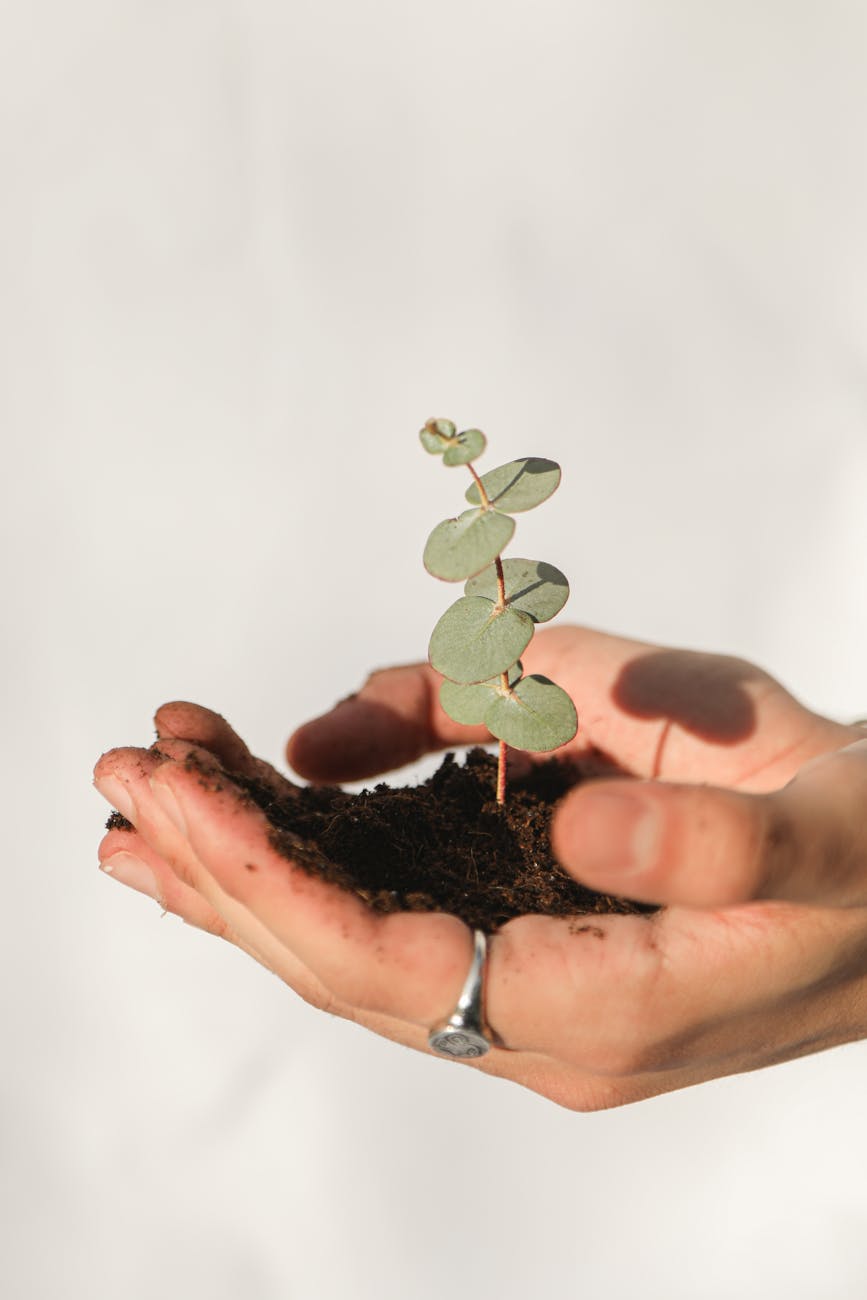
The most effective approaches to building resilience are backed by psychological research and specifically adapted for the unique challenges busy mothers face. These aren’t theoretical concepts. they’re practical tools you can implement immediately.
1. Develop a Growth Mindset About Difficult Days
Instead of viewing challenging moments as failures, resilient mothers see them as learning opportunities. This cognitive shift is one of the most powerful tools for bouncing back quickly.
Practical Implementation:
- Replace “I’m terrible at this” with “I’m learning how to handle this better”
- Ask “What can this teach me?” instead of “Why does this always happen to me?”
- Celebrate small improvements rather than focusing on perfection
- Keep a “lessons learned” journal for particularly tough days
2. Build Your Emotional Regulation Toolkit
Resilient mothers have go-to strategies for managing intense emotions in the moment. The key is practicing these techniques when you’re calm so they’re available during crisis moments.
Immediate Regulation Techniques:
- 4-7-8 Breathing: Inhale for 4, hold for 7, exhale for 8
- 5-4-3-2-1 Grounding: Name 5 things you see, 4 you touch, 3 you hear, 2 you smell, 1 you taste
- Temperature Reset: Run cold water over your wrists or splash cool water on your face
- Movement Release: Do 10 jumping jacks or stretch for 30 seconds
If you are looking for more in-depth information on these tools check out my post The 4-3-2-1 Method: How Mothers Can Reduce Cortisol Levels in Under a Minute
3. Create Micro-Recovery Rituals
Building resilience isn’t just about handling crisis moments. It’s about developing daily practices that build your emotional reserves before challenges arise.
5-Minute Morning Resilience Ritual:
- Set an intention for how you want to show up today
- Practice three deep breaths with gratitude
- Remind yourself of one strength you’ll use if challenges arise
- Visualize yourself handling potential difficulties with grace
End-of-Day Reset Practice:
- Acknowledge one thing that was difficult and how you handled it
- Celebrate one moment where you showed resilience
- Release the day’s stress through journaling or gentle movement
- Set a positive intention for tomorrow
4. Strengthen Your Support Network
Resilient mothers don’t try to handle everything alone. Building and maintaining supportive relationships is crucial for bouncing back from difficult days.
Building Your Resilience Support System:
- Identify 2-3 people you can call during overwhelming moments
- Join online communities for mothers in similar life stages
- Consider professional support (therapy, coaching) during particularly challenging seasons
- Practice vulnerability by sharing struggles with trusted friends
Quick Resilience Strategies for Overwhelming Moments

When you’re in the middle of a difficult day, you need resilience strategies that work immediately. These are your emergency tools for bouncing back in real-time.
The STOP Technique for Crisis Moments
- Stop what you’re doing
- Take three deep breaths
- Observe your thoughts and feelings without judgment
- Proceed with intention rather than reaction
The 10-Minute Reset Protocol
When everything feels chaotic, give yourself exactly 10 minutes to reset:
- Minutes 1-3: Practice deep breathing or gentle movement
- Minutes 4-6: Identify what you can and cannot control right now
- Minutes 7-8: Choose one small action that will improve the situation
- Minutes 9-10: Remind yourself of your strengths and past resilience
Emergency Resilience Mantras
Having pre-planned phrases can help redirect your thoughts during overwhelming moments:
- “This is temporary, and I can handle temporary”
- “I’ve survived difficult days before, and I’ll get through this one too”
- “My worth isn’t determined by one challenging moment”
- “I can do hard things, one step at a time”
Physical Reset Techniques
Sometimes building resilience requires addressing the physical stress response:
- Progressive muscle relaxation: Tense and release each muscle group
- Cold water therapy: Splash cold water on face and wrists
- Gentle movement: 2-3 minutes of stretching or walking
- Sensory grounding: Hold an ice cube, smell essential oils, or listen to calming music
Long-Term Resilience Building for Sustainable Well-Being

While crisis management techniques are essential, true resilience comes from building emotional strength over time. These strategies help you develop a foundation that makes bouncing back from difficult days easier and more natural.
Develop Emotional Intelligence
Resilient mothers understand their emotional patterns and triggers. This self-awareness allows them to respond rather than react during challenging moments.
Building Emotional Intelligence:
- Track your emotional patterns for one week without judgment
- Identify your most common triggers (hunger, fatigue, overstimulation, etc.)
- Practice naming emotions specifically (“I’m feeling frustrated and overwhelmed” vs. “I feel bad”)
- Develop personalized coping strategies for your most common emotional states
Cultivate Optimistic Thinking Patterns
Research consistently shows that optimistic thinking patterns contribute to greater resilience. This doesn’t mean toxic positivity, it means developing realistic hope and focusing on solutions.
Practical Optimism Techniques:
- Best/Worst/Most Likely: When facing challenges, consider all three scenarios
- Solution-Focused Questions: “What would help this situation?” rather than “Why is this happening?”
- Progress Recognition: Weekly celebration of small improvements and growth
- Future Self Visualization: Imagine how you’ll view this challenge six months from now
Build Physical Resilience to Support Emotional Strength
Your physical well-being directly impacts your ability to handle stress and bounce back from difficult days.
Physical Foundations of Resilience:
- Sleep Consistency: Prioritize 7-9 hours of sleep whenever possible
- Nutrition Stability: Focus on blood sugar balance with protein and healthy fats
- Movement Practice: Even 10-15 minutes of daily movement supports stress resilience
- Stress Recovery: Schedule brief recovery periods between demanding activities
For more specific strategies on managing physical well-being, check out my post on Beat Mom Fatigue: Proven Energy Foods for Sleep-Deprived Moms, and 15-Minute Home Workout for Busy Moms: No Equipment Needed.
Teaching Resilience to Your Children Through Your Example

One of the most powerful ways to reinforce your own resilience building is to model these skills for your children. When kids see their mothers bouncing back from difficult days with grace, they learn that challenges are survivable and growth-promoting.
Modeling Resilience in Real-Time
What Your Children Learn When You Practice Resilience:
- Mistakes and difficult moments are part of life, not catastrophes
- Emotions are temporary and manageable
- Problems have solutions, even if they’re not immediately obvious
- Self-care and recovery are important parts of handling challenges
- It’s possible to be strong and vulnerable at the same time
Age-Appropriate Ways to Share Your Resilience Journey:
- Toddlers/Preschoolers: “Mommy felt frustrated, but I took deep breaths and now I feel better”
- School-Age: “That was a challenging situation. I’m going to think about what I learned from it”
- Teenagers: Share appropriate struggles and how you’re working through them
Family Resilience-Building Activities
Creating a Culture of Resilience:
- Family Gratitude Practice: Share daily highlights and challenges
- Problem-Solving Together: Include children in age-appropriate solution brainstorming
- Celebration of Growth: Acknowledge when family members handle difficulties well
- Resilience Stories: Share books and stories about characters overcoming challenges
When to Seek Additional Support for Building Resilience
While these strategies are effective for most mothers, there are times when professional support can speed up your resilience building journey. It can also provide additional tools for bouncing back from difficult days.
Signs You Might Benefit from Professional Support
Consider Therapy or Coaching When:
- Self-help strategies aren’t providing adequate relief
- Difficult days are becoming the norm rather than the exception
- You’re experiencing symptoms of anxiety or depression
- Past trauma is affecting your current ability to cope
- You want to accelerate your personal growth and resilience development
Types of Professional Support for Resilience Building:
- Cognitive Behavioral Therapy (CBT): Helps identify and change thought patterns
- EMDR Therapy: Particularly helpful if past trauma affects current resilience
- Life Coaching: Focuses on building skills and accountability for personal growth
- Support Groups: Connect with other mothers facing similar challenges
For immediate mental health support, remember:
- Crisis Text Line: Text HOME to 741741
- National Suicide Prevention Lifeline: 988
- Postpartum Support International: 1-800-944-4773
If you’re struggling with anxiety alongside resilience challenges, my post on Mom Anxiety Relief: 7 Practical Coping Strategies for Overwhelmed Mothers provides additional strategies that complement resilience building.
Your Resilience Action Plan: Starting Today

Building resilience doesn’t happen overnight, but you can start developing these skills immediately. Here’s your practical action plan for beginning this transformative journey.
Week 1: Foundation Building
- Day 1-2: Identify your current stress patterns and triggers
- Day 3-4: Practice one emotional regulation technique daily
- Day 5-7: Implement a 5-minute morning resilience ritual
Week 2: Skill Development
- Day 8-10: Try the STOP technique during one challenging moment
- Day 11-12: Start a “lessons learned” journal
- Day 13-14: Connect with one person in your support network
Week 3-4: Integration
- Practice your chosen techniques consistently
- Adjust strategies based on what works best for your lifestyle
- Celebrate small improvements and increased emotional stability
Monthly Resilience Check-In Questions:
- Which strategies are becoming more natural?
- What types of difficult days feel more manageable now?
- Where do you still need additional support or skill development?
- How is your increased resilience affecting your family relationships?
Conclusion: Your Journey to Unshakeable Resilience
Building resilience is one of the greatest gifts you can give yourself and your family. The ability to bounce back from difficult days with grace is invaluable. Learning from challenges is essential. Maintaining emotional stability under pressure transforms not just your own experience of motherhood. It creates a calmer, more confident environment for your children to thrive.
Remember: resilience isn’t about being perfect or never having difficult days. It’s about developing the tools and emotional strength to navigate life’s inevitable challenges with confidence, knowing that you can handle whatever comes your way.
Every overwhelming moment is an opportunity to practice these skills. Every difficult day that you navigate successfully builds your emotional reserves for the future. You’re not just surviving motherhood—you’re developing skills that will serve you for the rest of your life.
Start small, be consistent, and trust the process. Your resilience journey begins with the next challenging moment you face with intention rather than reaction.
Take Action Today
Ready to start building unshakeable resilience? Choose one strategy from this post and commit to practicing it for the next week. Your future self and your family will thank you for taking this important step toward emotional strength and stability.
Which resilience strategy will you try first? Share in the comments below and let’s support each other on this journey toward becoming more resilient, confident mothers.
For more strategies on managing motherhood challenges, explore my posts on Boundary Setting for Busy Moms and Evidence-Based Self-Care for Busy Moms.
Want weekly resilience tips delivered to your inbox? Subscribe below for evidence-based strategies that actually work for real mom life.
References & Further Reading
- American Psychological Association. (2023). Building resilience in children and teens. Retrieved from https://www.apa.org/topics/resilience
- Bonanno, G. A. (2004). Loss, trauma, and human resilience: Have we underestimated the human capacity to thrive after extremely aversive events? American Psychologist, 59(1), 20-28.
- Connor, K. M., & Davidson, J. R. (2003). Development of a new resilience scale: The Connor‐Davidson resilience scale (CD‐RISC). Depression and Anxiety, 18(2), 76-82.
- Fredrickson, B. L. (2001). The role of positive emotions in positive psychology: The broaden-and-build theory of positive emotions. American Psychologist, 56(3), 218-226.
- Luthar, S. S., & Cicchetti, D. (2000). The construct of resilience: Implications for interventions and social policies. Development and Psychopathology, 12(4), 857-885.
- Masten, A. S. (2001). Ordinary magic: Resilience processes in development. American Psychologist, 56(3), 227-238.
- National Institute of Mental Health. (2023). Mental health information: Stress. Retrieved from https://www.nimh.nih.gov/health/publications/stress
- Reivich, K., & Shatte, A. (2002). The resilience factor: 7 essential skills for overcoming life’s inevitable obstacles. Broadway Books.
- Rutter, M. (2006). Implications of resilience concepts for scientific understanding. Annals of the New York Academy of Sciences, 1094(1), 1-12.
- Southwick, S. M., & Charney, D. S. (2018). Resilience: The science of mastering life’s greatest challenges. Cambridge University Press.
Important Disclaimer
Please Read Before Implementing These Strategies
The information provided in this blog post is for educational and informational purposes only and is not intended as medical, psychological, or professional advice. The content is based on research, professional training, and personal experience, but should not replace consultation with qualified healthcare professionals.
Important Considerations:
Not Medical Advice: The strategies and techniques discussed are general wellness approaches and are not intended to diagnose, treat, cure, or prevent any medical or psychological condition. If you are experiencing symptoms of depression, anxiety, or other mental health concerns, please consult with a qualified mental health professional.
Individual Results May Vary: Resilience building is a personal journey, and what works for one person may not work for another. The effectiveness of these strategies can depend on individual circumstances, life experiences, and personal factors.
Parenting Guidance: While this post discusses modeling resilience for children, it is not intended as professional parenting advice. Consider consulting with pediatric mental health professionals for specific concerns about your child’s emotional development.
Personal Responsibility: By implementing the strategies discussed in this post, you acknowledge that you are doing so at your own discretion and take full responsibility for your well-being and any outcomes.
About My Qualifications: I am a certified health, life, and mastery coach with an M.S. in Family and Developmental Studies. However, I am not a licensed mental health professional, and the information provided should not be considered therapy or psychological treatment.
When to Seek Professional Help: Please consult with appropriate healthcare professionals if you have specific health concerns, are taking medications, have a history of mental health conditions, or if you need personalized guidance for your unique situation.
Remember: Seeking professional support is a sign of strength and self-awareness, not weakness. Your mental health and well-being are worth investing in with proper professional care when needed.
About the Author: Jaime is a senior college instructor with a M.S. in Family and Developmental Studies. She is a certified health, life and mastery coach. She is married with two teenage sons. Throughout her journey of balancing motherhood, career and life she has become an advocate for maternal health and well-being. She believes that when Moms thrive, families flourish.
 Balanced Mom Blueprint
Leave a reply to The Power of Gratitude for Mental Health: How to Find Hope During Difficult Times – Balanced Mom Blueprint Cancel reply