

Last Sunday evening, as I watched my teenage sons automatically clear the dinner table without being asked. I realized something profound had happened. What started as a simple “Sunday family dinner” rule when they were you had evolved into something much deeper. A ritual that created connection, responsibility, and belonging in our home.
Family rituals aren’t just cute traditions we maintain for Instagram-worthy moments. According to leading family researchers, these intentional practices serve as the emotional backbone of strong family relationships. They create stability, identity, and connection that children carry into adulthood.
What Makes Family Rituals So Powerful?
Dr. Barbara Fiese, a renowned family researcher at Syracuse University, defines family rituals as “symbolic forms of communication that, owing to the satisfaction that family members experience through their repetition, are acted out in a systematic fashion over time.” Unlike routine activities, rituals carry emotional significance and create meaning beyond their practical function.
The research on family rituals is compelling. Studies consistently show that families with regular, meaningful rituals have:
- Stronger emotional bonds between family members
- Better communication patterns and conflict resolution skills
- Increased resilience during times of stress or transition
- Children with higher self-esteem and stronger identity formation
- Lower rates of behavioral problems in children and adolescents
Dr. William Doherty, professor of Family Social Science at the University of Minnesota and author of “The Intentional Family,” explains that rituals create what he calls “relational wealth”. This is the deep connections that make families feel like more than just people who happen to live together.
The Science Behind Why Rituals Work

Research in neuroscience reveals that rituals activate our brain’s reward system, releasing oxytocin, often called the “bonding hormone.” This neurochemical response creates feelings of safety, belonging, and connection that become associated with family time.
Dr. Francine Klagsbrun, family therapist and author of “Mixed Feelings: Love, Hate, Rivalry, and Reconciliation Among Brothers and Sisters,” notes that rituals serve as “emotional anchors”. These help family members feel secure and valued, even during challenging developmental phases.
Additionally, rituals create what psychologists call “collective meaning-making.” When families engage in repeated, symbolic activities together, they develop shared narratives about who they are and what matters to them. This shared identity becomes a source of strength during difficult times.
Creating Rituals That Actually Stick
Start Small and Build Gradually
The most successful family rituals often begin with simple, manageable practices. Dr. Fiese’s research shows that consistency matters more than complexity. A five-minute bedtime ritual practiced nightly creates stronger family bonds than an elaborate weekly tradition that gets skipped frequently.
Consider these simple starting points:
Daily Rituals:
- A special handshake or hug before school
- Three gratitudes shared during dinner
- A bedtime story or song, even for older children
- Morning coffee together (even if kids drink hot chocolate)
Weekly Rituals:
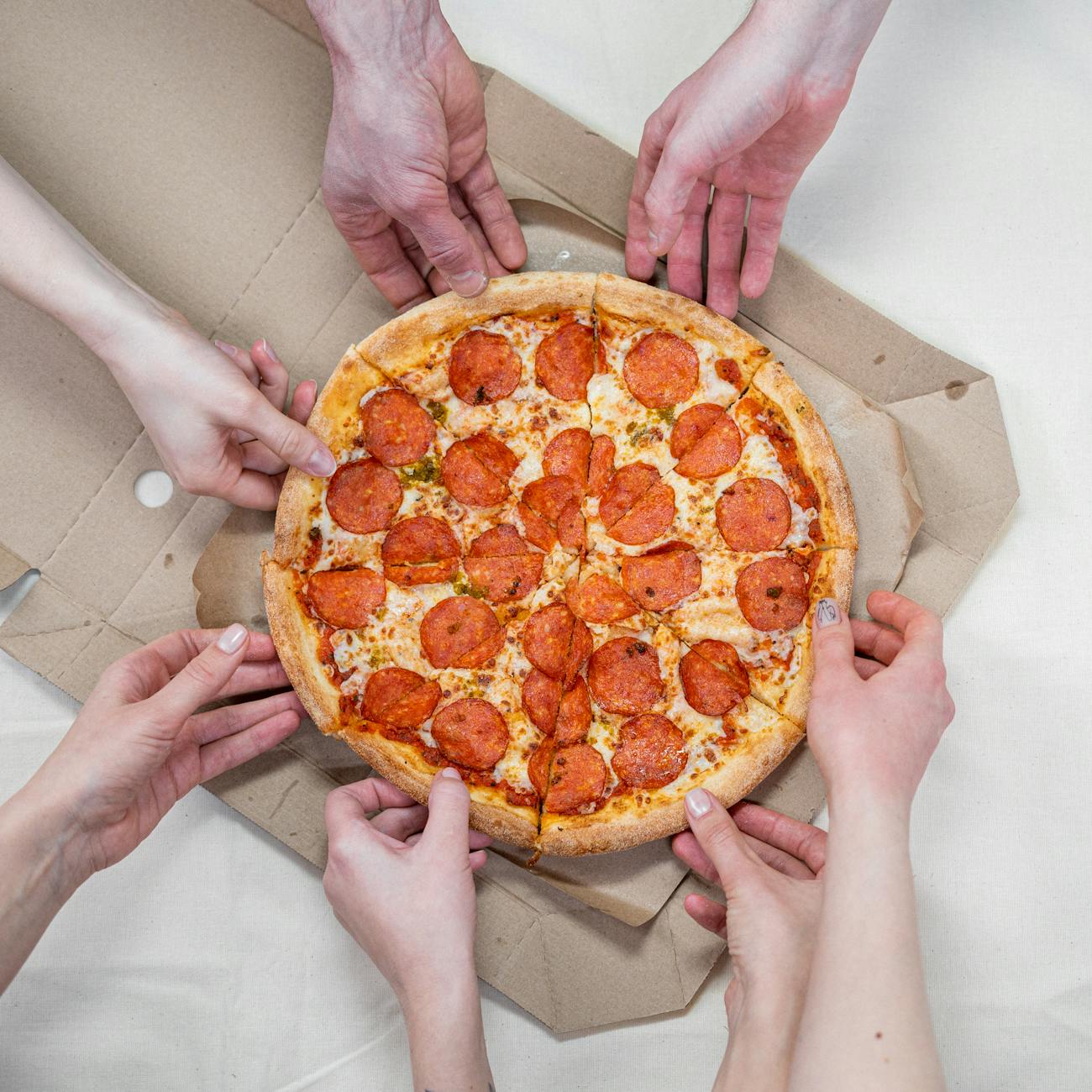
- Pizza and movie night every Friday
- Saturday morning pancakes
- Sunday evening family walks
- Library visits on the same day each week
Need specific ideas to get started? Download my free list of 20 Simple Family Ritual Ideas that take 15 minutes or less. Perfect for busy families ready to begin their connection journey.”
Make It Meaningful, Not Perfect
The power of rituals lies in their emotional significance, not their execution. Dr. Doherty emphasizes that rituals should reflect your family’s values and personality, not Pinterest-perfect ideals.
In our family, “Fun Friday” became a beloved ritual where we’d order takeout and play board games instead of cooking. It started during a particularly chaotic season when I felt guilty about not having home-cooked meals every night. Now, years later, my sons still request these types of nights.
Include Everyone’s Voice
Effective family rituals involve all family members in their creation and evolution. Dr. Fiese’s research shows that rituals feel more meaningful when everyone has input into how they’re practiced.
Try these inclusive approaches:
- Family ritual meetings where everyone suggests new traditions
- Rotating responsibility for planning or leading rituals
- Age-appropriate modifications that allow rituals to grow with your children
- Individual recognition within group rituals (like celebrating each person’s weekly highlight)
Types of Rituals That Strengthen Family Bonds
Connection Rituals
These rituals prioritize emotional bonding and communication:
The Daily Check-In: Each family member shares their “high and low” from the day during dinner. This simple practice creates space for both celebration and support.
Weekly One-on-One Time: Dedicate individual time with each child, letting them choose the activity. Research shows that children with regular one-on-one parent time demonstrate better emotional regulation and communication skills.
Monthly Family Meetings: Create a formal time for family planning, problem-solving, and appreciation sharing. Dr. Doherty’s research shows that families who practice regular meetings have better conflict resolution skills.
Celebration Rituals
These rituals mark important moments and achievements:
Achievement Celebrations: Create special ways to acknowledge accomplishments related to academics, athletics, creativity, or personal growth milestones.
Birthday Traditions: Develop unique birthday rituals that make each family member feel special. This might include a special breakfast, choosing the dinner menu, or having family members share what they appreciate about the birthday person.
Holiday Customs: Create or adapt holiday traditions that reflect your family’s values and interests, whether religious, cultural, or completely unique to your family.
Transition Rituals
These rituals help families navigate changes and challenges:
School Year Kickoffs: Mark the beginning of each school year with special traditions that generate excitement and confidence.
Moving Rituals: If your family relocates frequently, create portable rituals that maintain connection regardless of location.
Seasonal Transitions: Acknowledge the changing seasons with special activities that help family members adjust to new rhythms and expectations.
Overcoming Common Ritual Challenges
When Schedules Feel Impossible
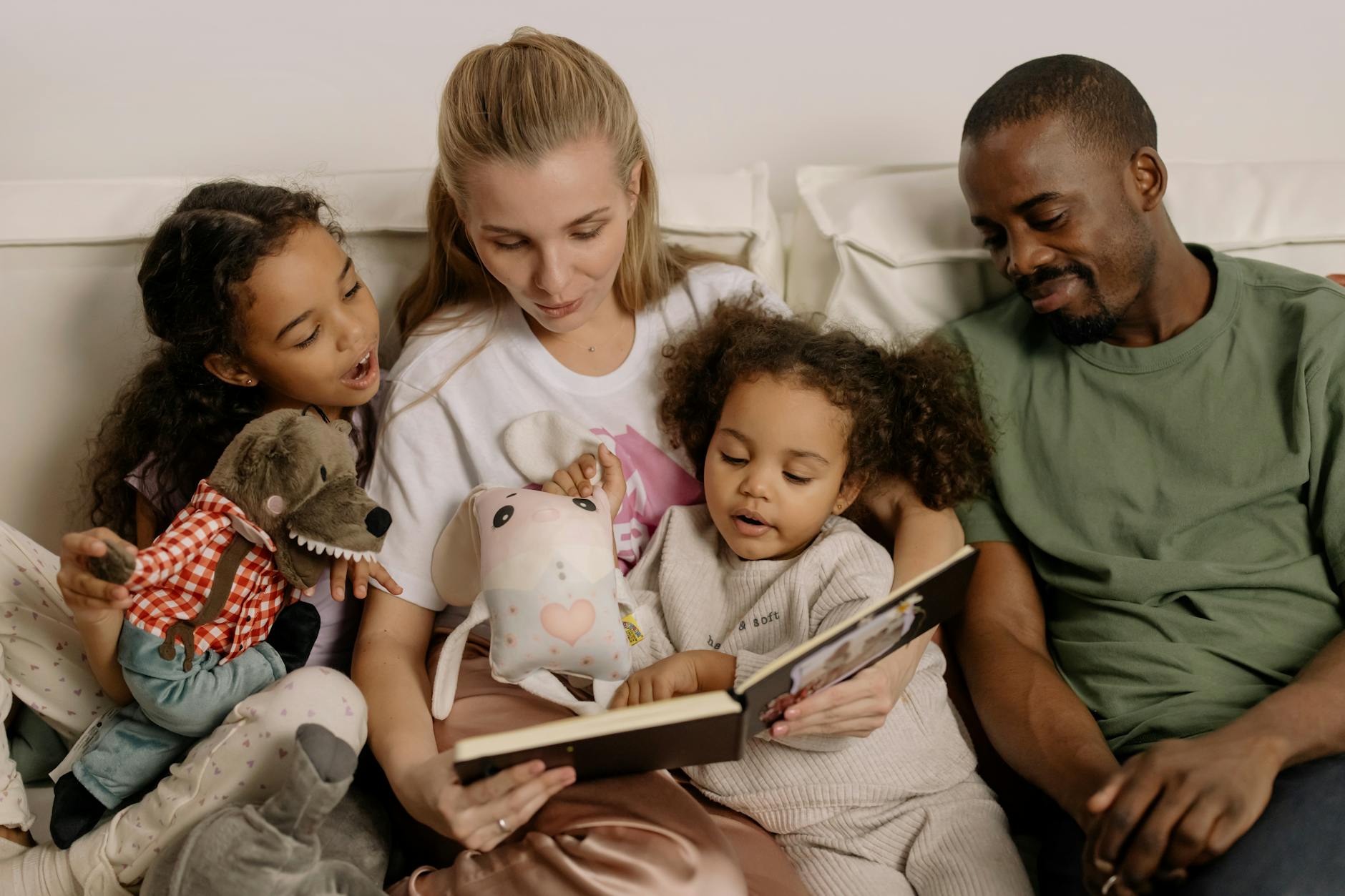
Dr. Doherty’s research shows that modern families often struggle to maintain rituals due to busy schedules. The solution isn’t to abandon rituals but to adapt them to your reality.
Flexible Timing: Instead of “every Sunday,” try “every weekend” or “twice monthly.”
Micro-Rituals: Create 2-3 minute rituals that fit into existing routines, like a special song during car rides or a unique goodbye ritual.
Seasonal Approach: Some families find success with seasonal rituals rather than weekly one. This can be summer evening walks or winter hot chocolate talks.
When Children Resist
It’s normal for children, especially teenagers, to resist family rituals. Dr. Klagsbrun suggests these strategies:
Involve Them in Adaptation: Ask how rituals can be modified to feel more appealing while maintaining their core purpose.
Respect Individual Differences: Some children need more individual recognition within group rituals.
Be Patient with Phases: Resistance often passes if you maintain consistency without forcing participation.
When my eldest son hit middle school, he suddenly declared our holiday tradition of a Christmas light walk at a local park “boring.” Instead of abandoning the tradition, we evolved it into trying a new light show that added some novelty. The connection remained; the format simply changed and matured.
When Life Gets Chaotic
Research shows that families often abandon rituals during stressful periods, exactly when they’re most needed. Dr. Fiese recommends:
Simplified Versions: Keep the core of your ritual but reduce the complexity during difficult times.
Flexible Definitions: A “family dinner” might sometimes be takeout eaten together in the living room.
Prioritize Connection Over Perfection: The goal is togetherness, not flawless execution.
Measuring the Impact of Your Family Rituals
How do you know if your family rituals are working? Look for these indicators:
- Increased willingness to share personal experiences and feelings
- Better cooperation during family activities and responsibilities
- Reduced resistance to family time and activities
- Spontaneous references to family traditions and shared experiences
- Positive anticipation of ritual times
- Adaptation rather than abandonment when challenges arise
Dr. Fiese’s longitudinal studies show that the benefits of family rituals often become most apparent during times of stress or transition. These practices provide stability and connection.
Your Family’s Ritual Journey Starts Now

Creating meaningful family rituals doesn’t require perfection, it requires intention. Start with one small, manageable practice that reflects your family’s values and interests. Pay attention to what brings genuine joy and connection, then build from there.
Remember, the most powerful family rituals are those that feel authentic to your unique family dynamic. Whether it’s elaborate holiday traditions or simple daily practices, the key is consistency, meaning, and connection.
What small ritual could you start this week?
Perhaps it’s as simple as sharing one highlight from each person’s day during dinner. Or maybe it’s creating a special handshake with each of your children. The research is clear. These small moments of intentional connection add up to create the relational wealth that sustains families through all of life’s seasons.
The rituals you create today become the foundation for your children’s future families and the memories they’ll cherish long after they’ve left home. That’s the true power of family traditions. They create not just connection in the moment, but a legacy of love that spans generations.
P.S. Watch for my Facebook Live in my Facebook group Balanced Mom Blueprint Community this week where I’ll be sharing how you can implement these family connection strategies in just 21 days!
Want more evidence-based strategies for creating a thriving family environment? Subscribe to my newsletter for weekly insights on building stronger family relationships through intentional practices.
References
- Fiese, B. H. (2006). Family routines and rituals. Yale University Press.
- Doherty, W. J. (1997). The intentional family: Simple rituals to strengthen family ties. Avon Books.
- Fiese, B. H., Tomcho, T. J., Douglas, M., Josephs, K., Poltrock, S., & Baker, T. (2002). A review of 50 years of research on naturally occurring family routines and rituals: Cause for celebration? Journal of Family Psychology, 16(4), 381-390.
- Klagsbrun, F. (1992). Mixed feelings: Love, hate, rivalry, and reconciliation among brothers and sisters. Bantam Books.
- Fiese, B. H., & Kline, C. A. (1993). Development of the Family Ritual Questionnaire: Initial reliability and validation studies. Journal of Family Psychology, 6(3), 290-299.
- Doherty, W. J., & Carlson, B. Z. (2002). Putting family first: Successful strategies for reclaiming family life in a hurry-up world. Henry Holt and Company.
- Spagnola, M., & Fiese, B. H. (2007). Family routines and rituals: A context for development in the lives of young children. Infants & Young Children, 20(4), 284-299.
- Fiese, B. H. (2002). Routines of daily living and rituals in family life: A glimpse at stability and change during the early child-raising years. Zero to Three, 22(4), 10-13.
 Balanced Mom Blueprint
Leave a comment