

Your home should be your refuge. But for many busy moms, walking through the front door brings more stress than relief. If you’re ready to create a more peaceful home right now, my free 7-Day Calm Home Reset Guide gives you simple, 15-minute daily actions backed by research. No major renovations or perfect organization systems required, just practical steps that create immediate results.
Ever walked into your house and felt your stress levels rise instead of fall? You’re not imagining it. Your home environment has a measurable, research-documented impact on your family’s mental health, mood, and wellbeing. Creating calm spaces isn’t just an aesthetic goal. It’s a genuine wellness strategy backed by environmental psychology research.
As a mom balancing career and family life, I’ve witnessed firsthand how profoundly our physical surroundings shape our mental state. The good news is that you don’t need a major renovation or a perfectly Pinterest-worthy home to benefit. Research shows that even small, intentional changes to your home environment produce meaningful improvements in cortisol levels, family communication, sleep quality, and cognitive function. Here’s what the science says about creating calm spaces that actually support your family’s wellbeing and exactly how to do it.
The Science Behind Space and Well-being
Research consistently shows that our physical environment directly influences our psychological and physiological responses. A study from the Journal of Environmental Psychology found that cluttered spaces increase cortisol (our stress hormone) levels, particularly in mothers. This creates a cyclical effect where stress makes it harder to manage our spaces, which then creates more stress.
When we exist in disorganized environments, our brains receive constant visual signals of unfinished tasks. These signals compete for our attention, reducing our ability to focus and increasing mental fatigue. For parents already juggling multiple responsibilities, this additional cognitive load can be particularly draining. Sound familiar?
The visual signals of unfinished tasks in a disorganized home also contribute directly to the mental load mothers carry, the invisible cognitive work of constantly tracking what needs to be done. My post on managing the mental load gives you five practical strategies for redistributing that invisible work and creating more mental space for yourself.
“Do you find yourself feeling overwhelmed in certain areas of your home? What physical spaces trigger stress for you? Share in the comments below!”
Light and Mood: A Critical Connection

Natural light exposure in your home impacts more than just your electric bill. Research demonstrates that adequate natural light exposure regulates our circadian rhythms, improves sleep quality, and enhances mood.
For families, this translates to more than just aesthetics. Children who have access to natural light during the day show improved focus in learning activities. They also exhibit more stable mood patterns. If your home lacks abundant natural light, consider these evidence-based strategies:
- Position activity areas near windows when possible
- Use light-colored, reflective wall colors to maximize existing light
- Schedule family time outdoors during daylight hours to supplement indoor light exposure
- Invest in full-spectrum lighting for areas with minimal natural light
- [Verilux SmartLight Full Spectrum LED Desk Lamp]— For areas with minimal natural light. Full spectrum bulbs mimic natural daylight and are what research on circadian rhythm support recommends over standard warm-white bulbs.
Sleep quality and light exposure are deeply connected. For a comprehensive guide to the sleep environment specifically, my post on better sleep for moms covers exactly how to optimize your bedroom environment for restorative rest including temperature, light, sound, and aromatherapy.
Your bedroom’s sensory environment extends beyond light. The materials you sleep in matter too. I recently switched to a [mulberry silk pillowcase from Promeed] because silk regulates temperature more effectively than cotton, supporting the consistent sleep temperature that research links to better sleep quality. Their [CoolRest cooling comforter] is OEKO-TEX Standard 100 certified, which is important when you’re thinking about what your family is sleeping in every night.
Creating Zones of Purpose
Psychological research supports the importance of creating distinct areas in your home for different activities. This “zoning” approach aids our brains in associating specific spaces with certain behaviors. It makes transitions between activities smoother. This is particularly important for children.
Consider establishing:
- A dedicated homework/work zone free from entertainment distractions
- A calm reading nook with comfortable seating and soft lighting
- A creative space where artistic exploration is encouraged
- A tech-free family connection area
These intentionally designed spaces create visual and physical boundaries that help family members mentally transition between activities, reducing the cognitive effort needed to shift focus.
The Impact of Color Psychology
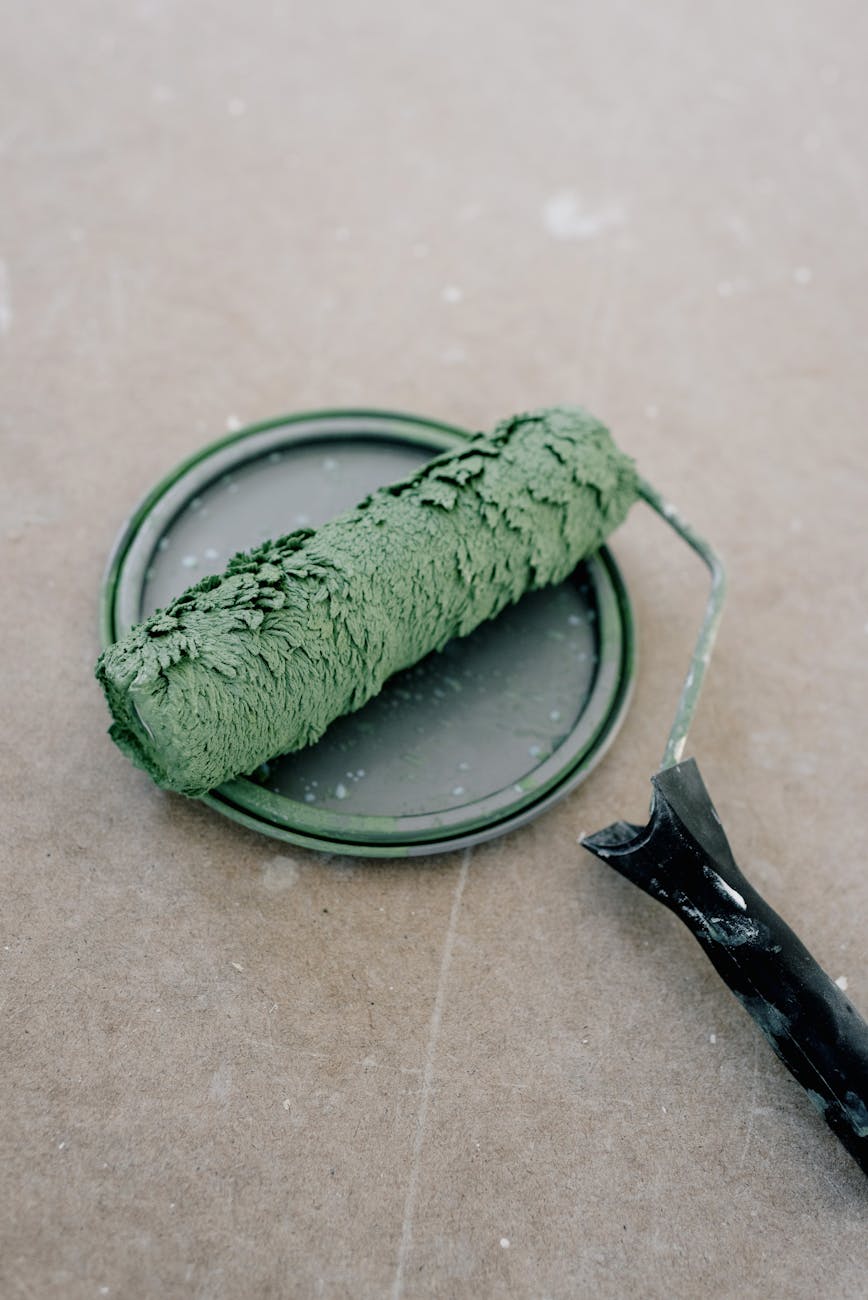
The colors in our home affect our psychological responses more than we might realize. Research in color psychology suggests that:
- Blues and greens create feelings of calm and can lower heart rate and blood pressure
- Yellows stimulate creativity and optimism
- Reds increase energy but can also heighten stress responses if overused
- Neutrals provide mental space and reduce visual stimulation
While you don’t need to repaint your entire home, consider these evidence-based applications:
- Use calming colors in bedrooms and relaxation spaces
- Apply energizing colors as accents in play and exercise areas
- Reserve stimulating colors for spaces where focus and energy are beneficial
If you want more information on this topic check out Color Psychology: Does it Affect How you Feel? by verywellmind.
The Sensory Environment: Beyond the Visual
Our homes affect all five senses, not just what we see. Research shows that multi-sensory environments influence our stress levels, productivity, and emotional well-being. Consider how your home engages each sense:
Sound
Studies show that background noise at levels as low as 50 decibels (typical household sounds) can increase stress hormones and impair cognitive function. The advice is to create acoustically balanced spaces using soft furnishings, rugs, and textiles to absorb sound.
[Soundproofing Acoustic Panels] — For high-noise areas. A simple way to reduce ambient sound in playrooms, offices, or open-plan living areas without structural changes.
Smell
Our olfactory system has direct connections to our limbic system (emotional center). Natural scents like lavender, citrus, and vanilla have been scientifically shown to reduce stress and enhance mood. Avoid synthetic fragrances, which can trigger headaches and respiratory issues in sensitive individuals.
For a comprehensive guide to which essential oils have the strongest research backing for stress reduction and mood support in the home environment, my post on essential oils for immune support and family wellness covers ten oils with their specific mechanisms and safe usage guidelines.
[Rocky Mountain Oils Lavender] — Research specifically supports lavender’s cortisol-reducing and mood-stabilizing effects through our olfactory-limbic connection. Every batch is GC/MS tested for purity.
[Innogear Essential Oil Diffuser] — For safely dispersing therapeutic scent compounds throughout your home without heat, which degrades the therapeutic properties of the oils.
Touch
Tactile comfort influences our sense of security and relaxation. Incorporate varied textures through natural materials, comfortable seating, and soft textiles in areas designed for rest and connection.
Your home’s sensory environment and your nervous system are in constant dialogue. When your space feels safe and calm, your nervous system follows. My post on resetting your nervous system after chronic stress covers how aromatherapy specifically works as one of four evidence-based nervous system regulation tools, which is a natural complement to the sensory design strategies above.
Decluttering for Mental Clarity
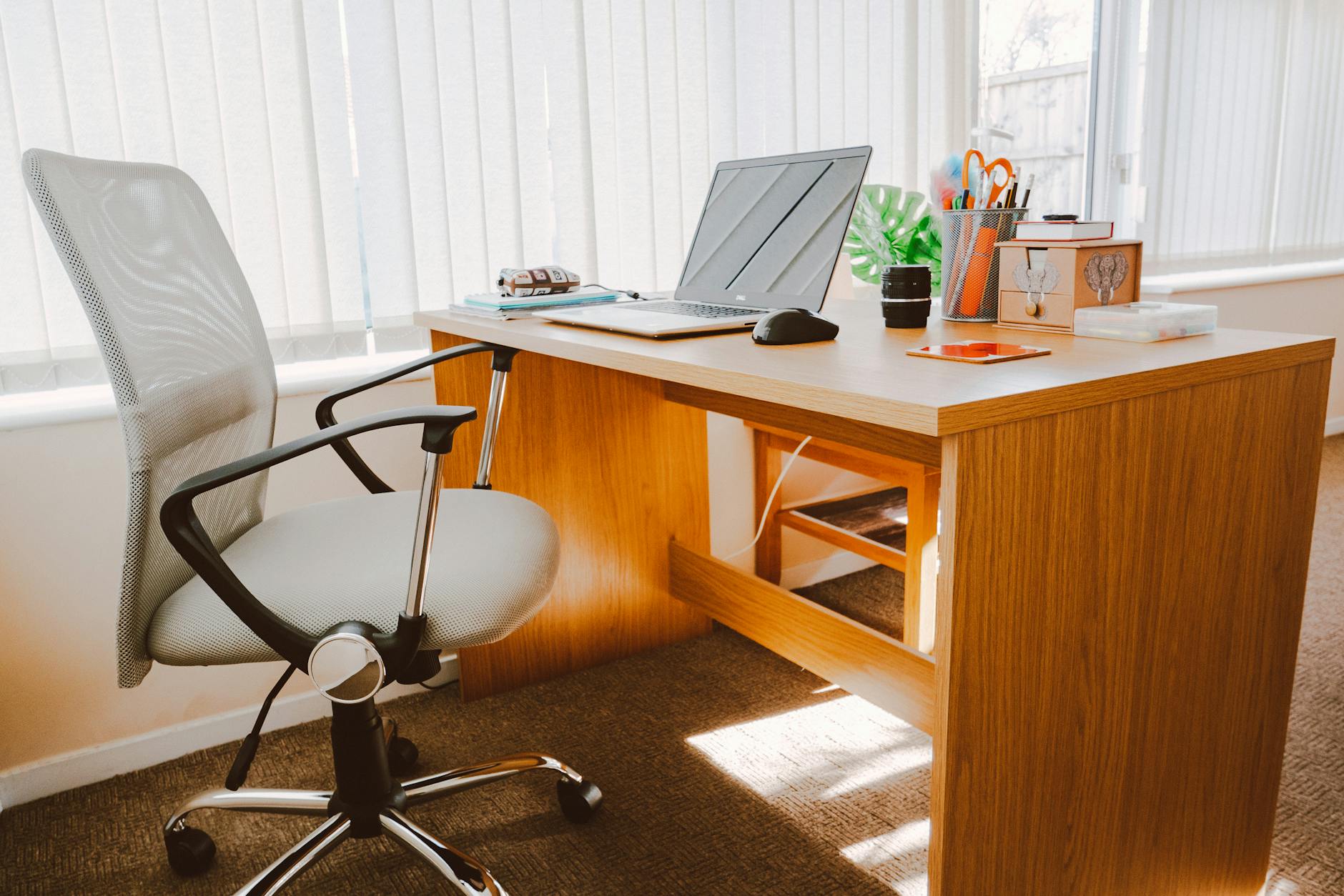
The relationship between physical clutter and mental well-being is well-documented. A UCLA study found that women who called their homes “cluttered” or said they were filled with “unfinished projects” had higher levels of cortisol throughout the day. This contrasts with women who described their homes as “restorative” or “relaxing”.
This doesn’t mean striving for perfect minimalism, but rather intentionally creating spaces that support rather than deplete your family’s mental resources. Consider these evidence-based approaches:
- Focus decluttering efforts on high-traffic areas first
- Create simple organizational systems that all family members can maintain
- Implement a “one in, one out” policy for new possessions
- Schedule short, focused decluttering sessions rather than overwhelming marathons
The cumulative cognitive load of a cluttered, disorganized home is one of the overlooked contributors to maternal burnout. When your physical environment constantly demands attention, your mental resources deplete faster. My post on evidence-based strategies to prevent mom burnout covers the full picture of how environmental stressors contribute to burnout and what to do about it.
Has clutter affected your family’s stress levels? What’s one small area you can tackle this week? Comment below!
Digital Space as Part of Your Home Environment
While we often think of our home environment as physical, research increasingly recognizes that our digital environment also impacts family well-being. Studies show that visible technology (like TVs in bedrooms) can disrupt sleep patterns and family communication.
Consider creating tech boundaries through:
- Designated device-free zones (especially bedrooms and dining areas)
- Screen-free times that apply to both parents and children
- Visible alternatives to screen time in common areas
Small Changes, Significant Impact
Creating a home environment that supports family well-being doesn’t require massive renovations. Research shows that even small environmental adjustments can yield meaningful benefits for mood, stress levels, and family functioning.
Start by identifying one area that creates the most stress in your current home environment. Apply one evidence-based change from this article and notice how it affects your family’s interactions and feelings over the next week.
As mothers, when we create spaces that support our well-being, we model healthy environmental awareness for our children. This also reduces our own stress load. It’s a win-win for the entire family.
One more thought before you dive in:
If your home environment feels overwhelming to tackle because you’re running on empty, creating a calm space may be harder than it sounds when burnout is part of the picture. The Burnout Recovery Bundle addresses the depletion underneath — so that environmental changes can actually land and stick.
$27 — Get the Burnout Recovery Bundle
FREE DOWNLOAD: 7-Day Calm Home Reset Guide
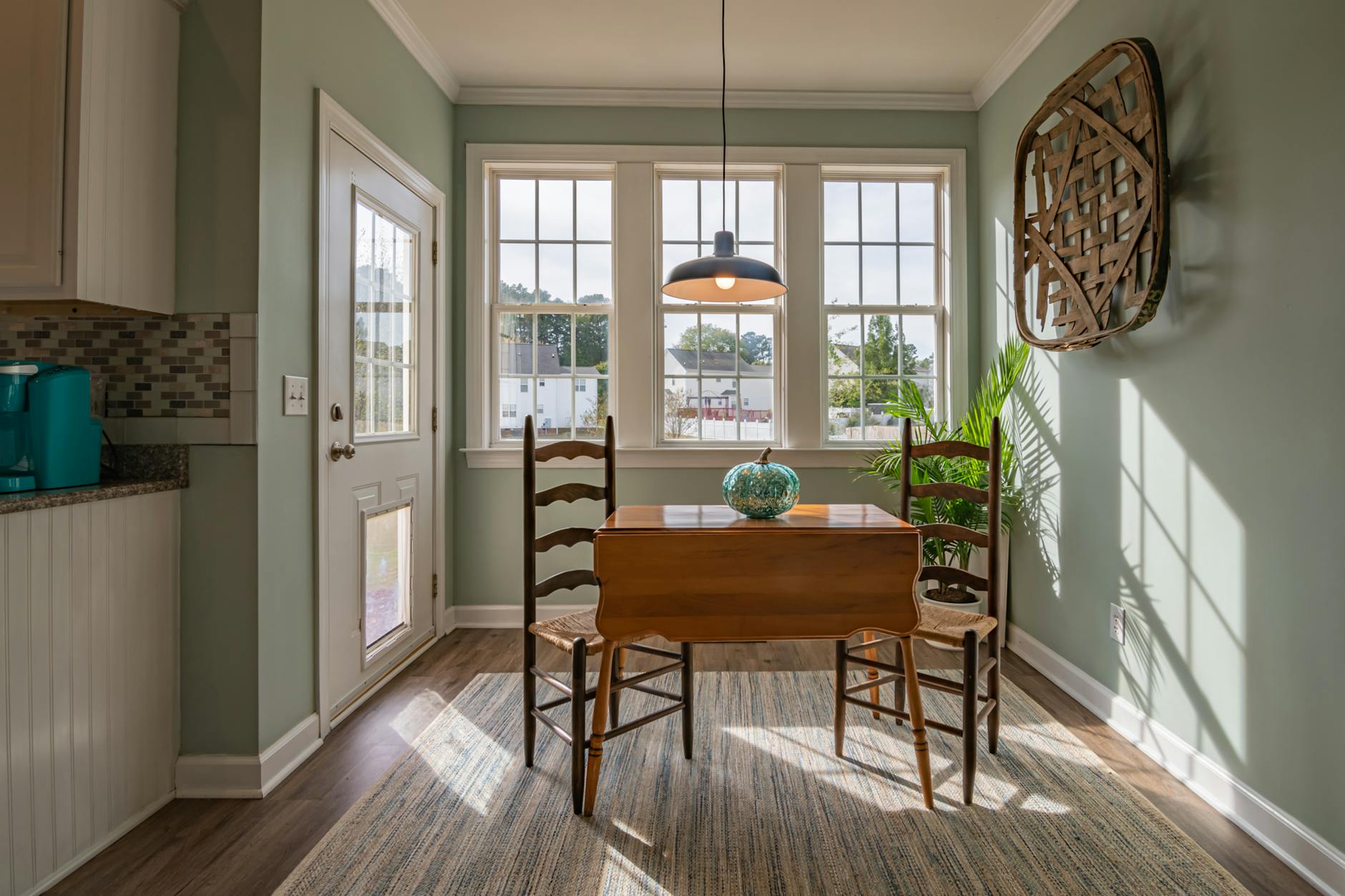
Transform your home environment in just one week with a science-backed approach to creating spaces that support your family’s well-being.
In this FREE 7-Day guide, you’ll discover:
- A day-by-day action plan focusing on different areas of your home
- Simple 15-minute tasks that create immediate impact
- The psychology behind effective space organization
- Printable reflection sheets to track your progress
What I Use and Recommend
Natural Light Support [Verilux SmartLight Full Spectrum LED Lamp]— For areas with minimal natural light. Mimics natural daylight to support circadian rhythm and mood regulation.
Sound Management [Acoustic Panels]— Simple, affordable sound absorption for high-noise family spaces.
Aromatherapy [Rocky Mountain Oils Lavender]— Research-backed for cortisol reduction through the olfactory-limbic connection. GC/MS tested for purity. [Innogear Essential Oil Diffuser]— Safe, heat-free diffusion that preserves the therapeutic compounds in essential oils.
Sleep Environment [Promeed Mulberry Silk Pillowcase] — Temperature-regulating, OEKO-TEX certified. Supports the sleep environment research discussed in the Light and Mood section. [Promeed CoolRest Cooling Comforter]— For moms who sleep warm. Same certifications, Good Housekeeping Best Value 2026.
Free Resource 7-Day Calm Home Reset Guide — Your done-for-you action plan for transforming your home environment in one week.
A quick note: Some links in this post are affiliate links, meaning I may earn a small commission if you purchase through them at no additional cost to you. As an Amazon Associate I earn from qualifying purchases. I also participate in affiliate programs for Rocky Mountain Oils and Promeed. I only recommend products I personally use and trust.
General disclaimer
The information in this post is for educational purposes only. The home environment strategies described here are based on peer-reviewed research in environmental psychology and are meant to support general family wellness, not to replace professional mental health support. If you or a family member is experiencing significant anxiety, depression, or other mental health challenges, please consult a qualified healthcare provider.
Join thousands of moms who’ve reduced family stress through intentional home design!
[SIGN UP NOW] to get instant access to your 7-Day Calm Home Reset Guide
By signing up, you’ll also receive my weekly evidence-based wellness tips for busy moms. You can unsubscribe anytime.
Reference
Arnold, J. E., Graesch, A. P., Ragazzini, E., & Ochs, E. (2012). Life at home in the twenty-first century: 32 families open their doors. Cotsen Institute of Archaeology Press.
Barrett, P., Zhang, Y., Moffat, J., & Kobbacy, K. (2013). A holistic, multi-level analysis identifying the impact of classroom design on pupils’ learning. Building and Environment, 59, 678–689. https://doi.org/10.1016/j.buildenv.2012.09.016
Boubekri, M., Cheung, I. N., Reid, K. J., Wang, C. H., & Zee, P. C. (2014). Impact of windows and daylight exposure on overall health and sleep quality of office workers. Journal of Clinical Sleep Medicine, 10(6), 603–611. https://doi.org/10.5664/jcsm.3780
Elliot, A. J., & Maier, M. A. (2014). Color psychology: Effects of perceiving color on psychological functioning in humans. Annual Review of Psychology, 65, 95–120. https://doi.org/10.1146/annurev-psych-010213-115035
McMains, S., & Kastner, S. (2011). Interactions of top-down and bottom-up mechanisms in human visual cortex. Journal of Neuroscience, 31(2), 587–597. https://doi.org/10.1523/JNEUROSCI.3766-10.2011
Radesky, J. S., & Christakis, D. A. (2016). Increased screen time: Implications for early childhood development and behavior. Pediatric Clinics of North America, 63(5), 827–839. https://doi.org/10.1016/j.pcl.2016.06.006
Saxbe, D. E., & Repetti, R. (2010). No place like home: Home tours correlate with daily patterns of mood and cortisol. Personality and Social Psychology Bulletin, 36(1), 71–81. https://doi.org/10.1177/0146167209352864
Spence, C. (2020). Senses of place: Architectural design for the multisensory mind. Cognitive Research: Principles and Implications, 5(1), 1–26. https://doi.org/10.1186/s41235-020-00243-4
About the Author: Jaime is a senior college instructor with a M.S. in Family and Developmental Studies. She is a certified health, life and mastery coach. She is married with two teenage sons. Throughout her journey of balancing motherhood, career and life she has become an advocate for maternal health and well-being. She believes that when Moms thrive, families flourish.
 Balanced Mom Blueprint
Leave a reply to 15+ Immune Boosting Essential Oil Blends for Cold and Flu Season Protection – Balanced Mom Blueprint Cancel reply