

Share this article!
Running on fumes? If you’re a sleep-deprived mother constantly battling fatigue, you already know that no amount of coffee fully compensates for the exhaustion of motherhood. But here’s something most tired moms haven’t been told: the right energy foods for sleep-deprived mothers can make a measurable difference in how you feel, not by replacing sleep, but by giving your body what it needs to function well even when sleep is limited.
After working with exhausted moms for years and going through my own seasons of depletion, I’ve discovered that strategic nutrition is one of the most underutilized tools in the maternal wellness toolkit. These aren’t expensive superfoods or complicated meal plans. These are proven, research-backed energy foods you can find at any grocery store, built into routines that actually work with a busy mom’s reality.
Let’s explore 10 science-backed nutrition strategies that will help you beat mom fatigue naturally and sustain your energy through even the most demanding days.
Why Energy Foods Matter for Sleep-Deprived Mothers
Before we dive into specific foods, it’s important to understand how our bodies gain energy from what we eat. Complex carbohydrates, lean proteins, and healthy fats all play crucial roles in maintaining steady energy levels throughout the day. There are certain foods that really help with this. I will say that not all foods have the some impact from person to person. It’s important to explore each one and find which foods are the best for you!
One layer most nutrition advice misses is how chronic stress actively depletes your body of the very nutrients you’re trying to replenish. My post on the stress-nutrition connection explains exactly what’s happening and gives you a targeted recovery plan.
10 Proven Energy Foods that Beat Mom Fatigue

- Oatmeal: A complex carbohydrate that provides sustained energy.
- Try overnight oats for a quick, ready-to-eat breakfast. There are also great gluten-free oats as well. I love mine with some wild blueberries and honey!
- Research published in the Journal of the American College of Nutrition found that oat beta-glucan significantly reduces post-meal blood sugar spikes, providing more stable sustained energy compared to other breakfast carbohydrates.
- Try overnight oats for a quick, ready-to-eat breakfast. There are also great gluten-free oats as well. I love mine with some wild blueberries and honey!
- Greek Yogurt: High in protein and probiotics that can be important gut health.
- Again add berries and a drizzle of honey for a sweet energy boost.
- A 2021 review in Nutrients confirmed that dietary protein at breakfast improves satiety and maintains steadier energy levels through the morning and Greek yogurt delivers roughly twice the protein of regular yogurt per serving.
- Again add berries and a drizzle of honey for a sweet energy boost.
- Almonds: These are packed with healthy fats, protein, and magnesium.
- Keep a small container in your diaper bag, purse or car for on-the-go snacking.
- Magnesium is one of the first nutrients depleted by chronic stress, and deficiency is directly linked to fatigue and poor sleep quality. A study in the Journal of Research in Medical Sciences found that magnesium supplementation significantly improved sleep quality and morning energy and almonds are one of the richest dietary sources available.
- Keep a small container in your diaper bag, purse or car for on-the-go snacking.
- Bananas: Rich in potassium and natural sugars for quick energy.
- Pair with almond butter for a balanced snack.
- Research in PLOS ONE found that bananas performed comparably to sports drinks for sustained energy during endurance activity but without the added sugar. The combination of natural sugars, fiber, and potassium provides quick energy without the sharp crash that comes from processed snacks.
- Pair with almond butter for a balanced snack.
- Eggs: High-quality protein and choline for brain health.
- Hard-boil a batch on Sunday for easy snacks all week.
- Choline, found in high concentrations in egg yolk, is essential for neurotransmitter production, particularly acetylcholine which supports memory and mental alertness. A study in the American Journal of Clinical Nutrition found that adequate choline intake was associated with significantly better cognitive performance, including in adults experiencing sleep disruption.
- Hard-boil a batch on Sunday for easy snacks all week.
- Leafy Greens: Iron-rich to combat fatigue and boost oxygen circulation.
- I started adding spinach to my morning smoothies. It has little to no impact on the flavor. However, it adds a great nutrient boost.
- Iron deficiency is one of the most common nutritional causes of fatigue in women, and research published in the British Journal of Nutrition found that even mild iron insufficiency, without full anemia, significantly impairs physical endurance and cognitive function. Dark leafy greens like spinach and Swiss chard provide non-heme iron alongside vitamin C, which improves iron absorption.
- I started adding spinach to my morning smoothies. It has little to no impact on the flavor. However, it adds a great nutrient boost.
- Quinoa: Complete protein and complex carbs for sustained energy.
- Make a big batch and use in salads throughout the week.
- Quinoa is one of the only plant foods that provides all nine essential amino acids, making it a complete protein. Research in Food Chemistry found that quinoa’s unique combination of slow-digesting carbohydrates and complete protein produces a lower glycemic response than most grains, meaning longer-lasting, more stable energy without the blood sugar rollercoaster.
- Make a big batch and use in salads throughout the week.
- Dried and Fresh Fruits: Vitamin rich and a great source of natural sugar and fiber.
- Add to smoothies or as an on the go snack!
- The fiber in whole fruits slows the absorption of their natural sugars, preventing the sharp energy spike and crash associated with processed sweets. Research in Advances in Nutrition found that fruit consumption is associated with lower levels of fatigue and better sustained cognitive performance, particularly important for moms navigating sleep deprivation.
- Add to smoothies or as an on the go snack!
- Dark Chocolate: Caffeine and theobromine for a mild stimulant effect.
- Choose 70% cocoa or higher for optimal benefits and less sugar.
- A study published in the Journal of Proteome Research found that dark chocolate consumption measurably reduced cortisol and adrenaline levels in highly stressed participants, meaning it works both as a mild energy booster through theobromine and as a stress hormone reducer. The flavonoids in high-cacao chocolate also improve blood flow to the brain, supporting alertness and focus.
- Choose 70% cocoa or higher for optimal benefits and less sugar.
- Sweet Potatoes: Vitamin A and complex carbs for lasting energy.
- Meal prep by roasting a batch to add to lunches and dinners. I also love these as a snack!
- Sweet potatoes have a moderate glycemic index despite their sweetness, meaning they release glucose gradually rather than spiking blood sugar. Research in Nutrients found that beta-carotene, the compound that gives sweet potatoes their orange color, supports adrenal function and helps regulate cortisol, making them particularly valuable for stress-depleted moms needing sustained energy throughout the day.
- Meal prep by roasting a batch to add to lunches and dinners. I also love these as a snack!
Quick Energy Snacks for Exhausted Moms
- Apple slices with almond butter
- Greek yogurt parfait with berries and granola
- Hummus with carrot sticks
- Hard-boiled egg with whole grain or gluten free crackers
- Trail mix with nuts and dark chocolate chips
- Smoothie with spinach, banana, and chia seeds
- Whole grain or gluten free toast with avocado
- Edamame pods
- Cottage cheese with pineapple chunks
- Energy balls made with dates, nuts, and oats
Need help getting started? Download my grocery list below!
Get your FREE Energy-Boosting Grocery List Here!
Hydration Strategies for Tired Mothers
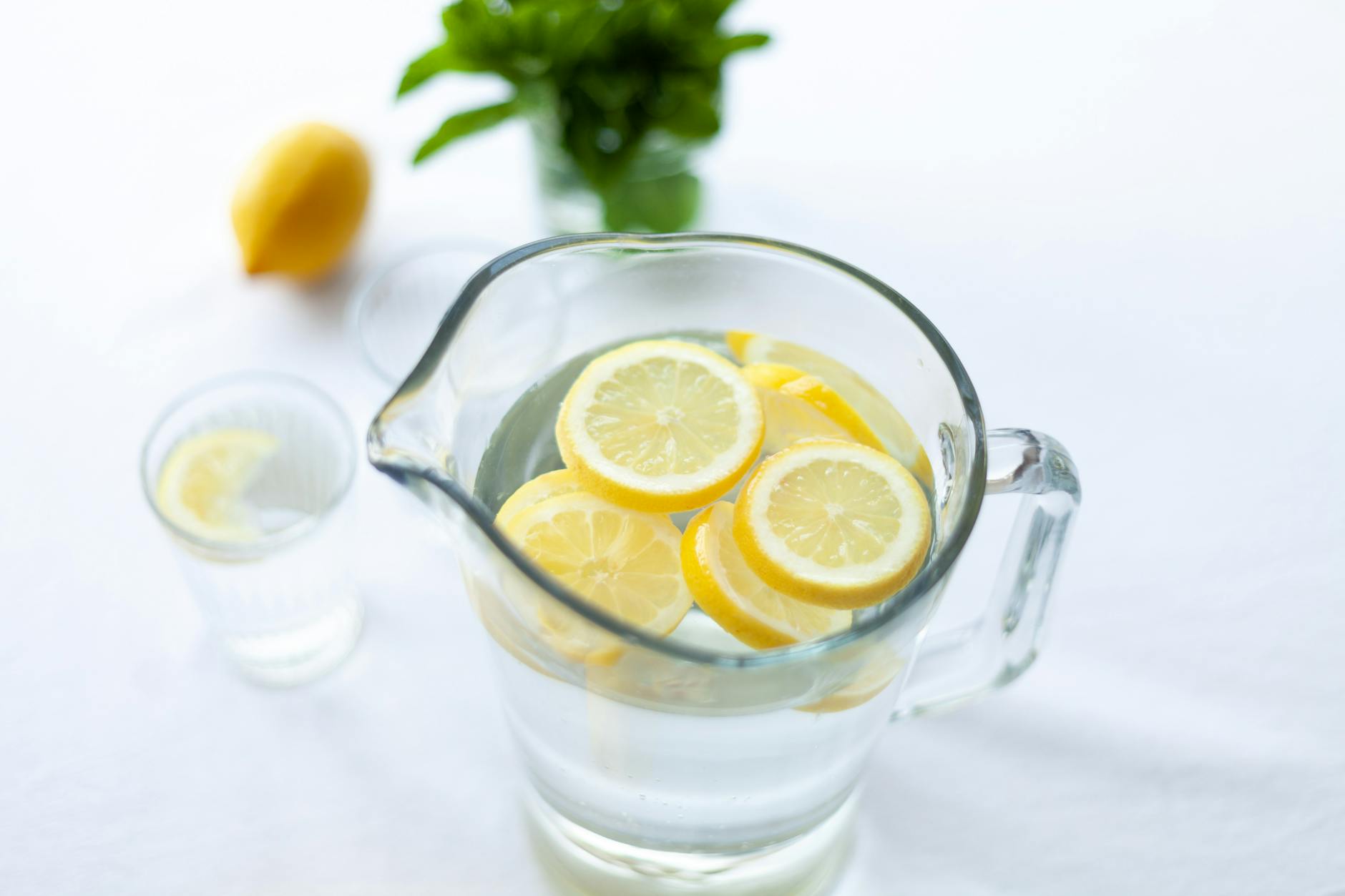
Most people (Moms included) forget about the importance of staying hydrated! Dehydration can lead to fatigue and decreased alertness and a lot of other yucky side effects. Aim for at least 8-10 glasses of water a day, more if you’re breastfeeding. Here is a more specific tip. Divide your body weight by half. Drink that many ounces of water each day. So, if you weigh 140 lbs, you should drink 70 ounces of water each day.
Tips for increasing water intake:
- Keep a water bottle with you at all times
- Set reminders on your phone
- Infuse water with fruits for added flavor
- Eat water-rich foods like cucumbers and watermelon
Meal Planning Tips for Sustained Energy All Day
Consistent energy throughout the day starts with planning. Here’s a sample day of energy-boosting meals:
- Breakfast: Overnight oats with chia seeds and berries
- Morning Snack: Apple slices with almond butter
- Lunch: Quinoa salad with grilled chicken and mixed vegetables
- Afternoon Snack: Greek yogurt with granola and a drizzle of honey
- Dinner: Baked sweet potato with black beans, salsa, and avocado
Foods to Avoid for Better Energy

While focusing on energy-boosting foods, it’s also important to minimize foods that can lead to energy crashes:
- Sugary snacks and drinks
- Highly processed foods
- Excessive caffeine
- Alcohol
- High-fat, greasy foods
The Role of Supplements
I plan to write a whole separate post on this (coming soon). But a quick teaser is that while whole foods should be your primary source of nutrition, certain supplements can help fill the gaps:
- Vitamin B complex for energy metabolism
- Iron for oxygen transport (especially important for menstruating or postpartum moms)
- Vitamin D for overall health and energy
- Magnesium for better sleep quality
Remember: Always consult with your healthcare provider before starting any new supplement regimen.
If you’re dealing with fatigue that feels hormonal, mood swings, irregular cycles, or energy that crashes despite good nutrition, my post on hormone-balancing foods for overwhelmed mothers covers the specific nutrients that support hormonal recovery alongside energy.
One resource that’s helped me think about nutrition more intentionally is the Mindful Eating course from Mindful.org. It’s not a diet program, it’s about learning to slow down and actually tune in to what your body needs. This is especially hard to do when you’re eating standing over the kitchen sink between school pickups. If you’ve ever found yourself stress-eating or rushing through meals without noticing what you’re even consuming, this course is a genuinely useful reset. [Explore Mindful Eating here ]
Lifestyle Factors for Better Energy
Remember, food is just one piece of the energy puzzle. Other factors that contribute to better energy levels include:
- Consistent sleep schedule (as much as possible with little ones!)
- Check out a my post on Understanding the Better Sleep for Moms: 7 Research Proven Methods to Break the Sleep-Stress Cycle
- Regular exercise
- I have a great post on 15-Minute Home Workouts for Busy Moms: No Equipment Needed. Check it out for simple ideas to get moving!
- Stress management techniques like meditation or deep breathing
- I have a great post on the 4-3-2-1 Method: How Mothers Can Reduce Cortisol Levels in Under a Minute. Check it out!
- Spending time outdoors in natural light
For evidence-based stress management tools that go beyond breathing, my post on resetting your nervous system after chronic stress covers four research-supported practices specifically for moms running on cortisol fumes.
One of the simplest upgrades you can make to improve sleep quality and therefore energy is your sleep environment. I switched to a [23 momme mulberry silk pillowcase from Promeed] because silk regulates temperature better than cotton and supports deeper sleep. Their [CoolRest cooling comforter ]is especially worth it if you sleep warm. I hace yet to try it but both are OEKO-TEX Standard 100 certified and recognized by Good Housekeeping as Best Value 2026.
Conclusion: Nourishing Your Way to More Energy

As a mom, taking care of yourself is just as important as taking care of your family. Fuel your body with these energy-boosting foods. Adopt supportive lifestyle habits. You’ll be better able to handle the demands of motherhood with vitality and enthusiasm.
Remember, small changes can lead to big results. Start by incorporating one or two of these energy-boosting foods into your daily routine and build from there. Your body (and your kids) will thank you!
Fatigue That Goes Beyond Food
If you’ve tried improving your nutrition and sleep and still feel completely depleted, you may be experiencing burnout rather than just tiredness. My Burnout Recovery Bundle was built for exactly that. A comprehensive reset for moms who are past tired and ready for real change.
What I Use and Recommend
Supplements
Pure Encapsulations Magnesium Glycinate
Biotics Research Bio-3B-G Vitamin B Complex
Pure Encapsulations Vitamin D3 & K2
Meal Prep
Ninja Professional Blender 1000W, 72 oz
10-Pack Glass Meal Prep Containers with Lids
Mindful Eating Course is a practical, research-grounded course for moms who want to reconnect with their body’s hunger and energy signals. Especially helpful if stress or a busy schedule has disconnected you from mindful nourishment.
Hydration
POWCAN 26 oz Insulated Water Bottle with 2-in-1 Straw and Spout Lid
Sleep Environment
[Promeed Mulberry Silk Pillowcase]— temperature-regulating, OEKO-TEX certified, Good Housekeeping Best Value 2026. Better sleep quality directly supports energy levels.
[Promeed CoolRest Cooling Comforter] — for moms who sleep warm. Same certifications, same award.
What are your go-to snacks or meals for beating mom fatigue? Share your favorites in the comments below!
Want more articles like this?! Enter your email to subscribe below!
About the Author: Jaime is a senior college instructor with a M.S. in Family and Developmental Studies. She is a certified health, life and mastery coach. She is married with two teenage sons. Throughout her journey of balancing motherhood, career and life she has become an advocate for maternal health and well-being. She believes that when Moms thrive, families flourish.
A quick note: Some links in this post are affiliate links, meaning I may earn a small commission if you purchase through them at no additional cost to you. As an Amazon Associate I earn from qualifying purchases. I also participate in affiliate programs for Mindful.org and Promeed. I only recommend products I personally use and trust.
Disclaimer
The information in this post is for educational purposes only and does not constitute medical advice. While I hold a Master’s degree in Family and Developmental Studies and am a certified health and life coach, I am not a licensed medical professional, registered dietitian, or therapist. The nutritional strategies and information shared here are based on peer-reviewed research and are meant to support general wellness education — not to diagnose, treat, cure, or prevent any health condition.
Individual nutritional needs vary, and what works for one person may not be appropriate for another. Always consult with your healthcare provider before making significant changes to your diet or supplement routine, particularly if you are pregnant, breastfeeding, taking medications, or have any underlying health conditions.
References
Baranauskas, M., Stukas, R., Tubelis, L., Žagminas, K., Šurkienė, G., Švedas, E., … Abaravičius, J. A. (2015). Nutritional habits among high-performance endurance athletes. Medicina, 51(6), 351–362.
Baum, J. I., Kim, I. Y., & Wolfe, R. R. (2016). Protein consumption and the elderly: What is the optimal level of intake? Nutrients, 8(6), 359.
Blesso, C. N., & Fernandez, M. L. (2018). Dietary cholesterol, serum lipids, and heart disease: Are eggs working for or against you? Nutrients, 10(4), 426.
Chandrasekhar, K., Kapoor, J., & Anishetty, S. (2012). A prospective, randomized double-blind, placebo-controlled study of safety and efficacy of a high-concentration full-spectrum extract of ashwagandha root in reducing stress and anxiety in adults. Indian Journal of Psychological Medicine, 34(3), 255–262.
Gómez-Pinilla, F. (2008). Brain foods: The effects of nutrients on brain function. Nature Reviews Neuroscience, 9(7), 568–578.
Hursel, R., & Westerterp-Plantenga, M. S. (2013). Catechin- and caffeine-rich teas for control of body weight in humans. American Journal of Clinical Nutrition, 98(6), 1682S–1693S.
Kiecolt-Glaser, J. K., Belury, M. A., Andridge, R., Malarkey, W. B., & Glaser, R. (2011). Omega-3 supplementation lowers inflammation and anxiety in medical students: A randomized controlled trial. Brain, Behavior, and Immunity, 25(8), 1725–1734.
Martin, F. P., Rezzi, S., Peré-Trepat, E., Kamlage, B., Collino, S., Leibold, E., … Kochhar, S. (2009). Metabolic effects of dark chocolate consumption on energy, gut microbiota, and stress-related metabolism in free-living subjects. Journal of Proteome Research, 8(12), 5568–5579.
Masento, N. A., Golightly, M., Field, D. T., Butler, L. T., & van Reekum, C. M. (2014). Effects of hydration status on cognitive performance and mood. British Journal of Nutrition, 111(10), 1841–1852.
Murray, B., & Rosenbloom, C. (2018). Fundamentals of glycogen metabolism for coaches and athletes. Nutrition Reviews, 76(4), 243–259.
Nieman, D. C., Gillitt, N. D., Henson, D. A., Sha, W., Shanely, R. A., Knab, A. M., … Jin, F. (2012). Bananas as an energy source during exercise: A metabolomics approach. PLOS ONE, 7(5), e37479.
Pickering, G., Mazur, A., Trousselard, M., Bienkowski, P., Yaltsewa, N., Amessou, M., … Pouteau, E. (2020). Magnesium status and stress: The vicious circle concept revisited. Nutrients, 12(12), 3672.
Tardy, A. L., Pouteau, E., Marquez, D., Yilmaz, C., & Scholey, A. (2020). Vitamins and minerals for energy, fatigue and cognition: A narrative review of the biochemical and clinical evidence. Nutrients, 12(1), 228.
Venn, B. J., & Mann, J. I. (2004). Cereal grains, legumes and diabetes. European Journal of Clinical Nutrition, 58(11), 1443–1461.
Zeisel, S. H., & da Costa, K. A. (2009). Choline: An essential nutrient for public health. Nutrition Reviews, 67(11), 615–623.


 Balanced Mom Blueprint
Leave a reply to 6 Practical Self-Care Ideas for Busy Moms: Quick Ways to Find Time For You – Balanced Mom Blueprint Cancel reply