

Let me guess, you’ve tried the “bubble bath and face mask” approach to self-care, only to feel more stressed about finding the time? I used to think self-care meant hour-long rituals until I nearly burned out trying to be the “perfect mom.” That wake-up call changed everything about how I approach wellness for busy mothers.
Here’s what I’ve discovered through years of coaching overwhelmed moms and through my own recovery from burnout: the most powerful self-care strategies are often the simplest ones. These aren’t Instagram-worthy moments that require child-free hours or a spotless house. These are evidence-based self-care strategies that busy moms can weave into the beautiful chaos of real life. Strategies that actually make your days easier, not harder.
Research published in the Journal of Health Psychology confirms what many moms discover the hard way: self-care isn’t selfish. Mothers who consistently practice even small acts of self-restoration show measurably lower cortisol levels, better emotional regulation, and stronger parenting presence than those who consistently deprioritize their own needs. The science is clear. Taking care of yourself is taking care of your family.
Ready to transform those tiny pockets of time into genuine well-being? Let’s explore six approaches that will shift your motherhood journey from surviving to thriving.
1. 5 Minute Morning Mindfulness: Quick Tips For Busy Moms
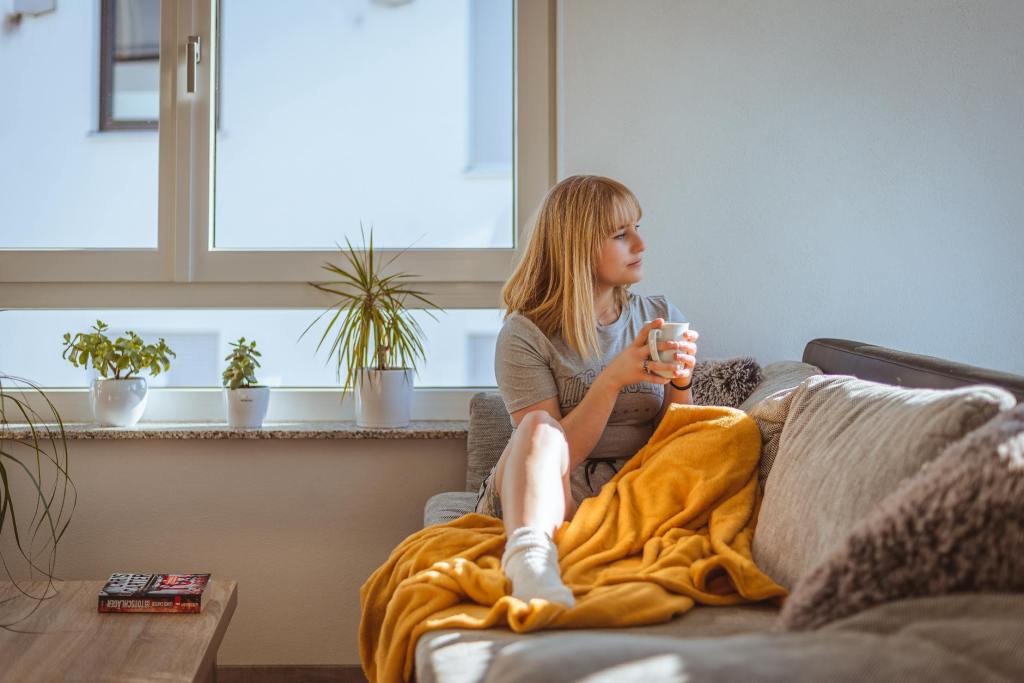
Before the chaos of the day begins, carving out just five minutes for yourself isn’t a luxury, it’s a neurological reset that sets the tone for everything that follows.
Research from Harvard Medical School shows that even brief mindfulness practice activates your parasympathetic nervous system which is your body’s rest and recovery mode. This reduces morning cortisol levels and improving focus and emotional regulation throughout the day. For moms whose stress response systems are chronically overactivated, those five minutes aren’t just pleasant. They’re physiologically necessary.
What five-minute morning mindfulness looks like in practice:
- Sitting quietly with your coffee before anyone else is awake, genuinely present, not scrolling
- Three to five minutes of intentional breathing. Inhale for four counts, exhale for six
- A quick body scan from head to toe, noticing where you’re holding tension and consciously releasing it
- Writing three things you’re grateful for in a journal kept by your bedside
The breathing pattern matters more than most people realize. An extended exhale, longer out than in, directly stimulates your vagus nerve and activates your parasympathetic system. This isn’t just relaxation. It’s a measurable physiological shift that research shows persists for hours afterward.
Quick Tip: Set your alarm 10 minutes earlier than you think you need to. Those 10 minutes of quiet before the day starts will become the part of your routine you protect most fiercely.
For a deeper set of nervous system tools that build on morning mindfulness, my post on resetting your nervous system after chronic stress covers four evidence-based practices that pair beautifully with a morning routine.
For guided support, Mindful.org’s Audio Meditations are research-grounded, short, and specifically designed to activate calm focus rather than just relaxation which is perfect for busy moms who want something that actually works.
And if you want something built specifically for the emotional terrain of motherhood, MamaZen is the only mindfulness app I’ve found that speaks to what we’re actually going through. Most sessions are under five minutes and address the specific challenges of mom life, overwhelm, guilt, and racing thoughts.
Also check out my post on evidence-based strategies to prevent mom burnout for more on how morning routines fit into a broader burnout prevention strategy.
2. Movement as Medicine: Simple Exercise for Busy Moms

Exercise doesn’t have to mean spending hours at the gym and for most moms, that model was never realistic anyway. The research on movement and maternal well-being is actually very encouraging: you don’t need long workouts to see meaningful benefits.
A 2019 study in the British Journal of Sports Medicine found that short bursts of movement, even 10 minutes, significantly improved cognitive function, mood, and energy levels compared to sedentary periods. For moms who are already depleted, the barrier to exercise needs to be low enough to actually happen.
The reframe that changes everything for most moms I work with: stop thinking of movement as something you have to earn time for and start thinking of it as maintenance for the body that does everything else. You wouldn’t skip oil changes on your car indefinitely. Movement is your oil change.
What sustainable movement looks like for busy moms:
- A 10-minute yoga session during naptime or after school drop-off
- A family walk after dinner which is movement plus connection
- A quick strength or HIIT circuit while the kids play nearby
- Dancing in the kitchen while making dinner genuinely counts
- Parking farther away, taking stairs, walking during phone calls
Research shows that consistency matters far more than intensity for mood and energy regulation. Three 10-minute walks spread through your day produce comparable mental health benefits to one 30-minute workout. That’s genuinely good news for moms whose days don’t come in 30-minute uninterrupted blocks.
For a complete no-equipment routine you can do anywhere in 15 minutes, my post on 15-minute home workouts for busy moms has everything you need.
3. Nourish to Flourish: Simple Nutrition for Busy Moms

Your body needs proper fuel to keep up with the demands of motherhood and the research on what chronic stress does to your nutritional needs is something most moms have never been told.
Chronic stress actively depletes your body of key nutrients. Magnesium, B vitamins, vitamin C, zinc, and omega-3 fatty acids are all consumed at accelerated rates when cortisol is chronically elevated. This means that even if you’re eating reasonably well, ongoing stress creates a nutritional deficit your body can’t easily overcome, leaving you exhausted regardless of how much sleep you get or how many vitamins you take.
Practical nutrition for stressed moms isn’t about perfect eating. It’s about strategic eating consistently replacing what stress takes.
What this looks like in practice:
- Preparing grab-and-go protein snacks at the beginning of each week like hard-boiled eggs, Greek yogurt, nuts, cheese, so you’re not surviving on your kids’ leftovers
- Staying genuinely hydrated. Chronic mild dehydration mimics the cognitive symptoms of exhaustion and is extremely common in moms who forget to drink water while taking care of everyone else
- Eating protein at breakfast before carbohydrates. This stabilizes blood sugar and prevents the mid-morning energy crash that sends you reaching for more coffee
- Adding magnesium-rich foods daily. Dark leafy greens, pumpkin seeds, avocado, dark chocolate can replenish what stress depletes
One of the most common things I hear from my coaching clients is “I eat well but I’m still exhausted.” If that’s you, my post on the stress-nutrition connection explains exactly what chronic stress is taking from your body and how to eat to support your recovery.
For practical meal ideas and prep strategies, my posts on quick and healthy meal prep tips for busy families and energy-boosting foods for sleep-deprived moms have everything you need to get started without overhauling your entire routine.
4. Building Your Support Network: The Importance of Mom Connections

Self-care isn’t always solitary and some of the most powerful research on maternal well-being points to social connection as one of the strongest protective factors against burnout, anxiety, and depression.
A meta-analysis in Maternal and Child Health Journal found that perceived social support was more protective against maternal burnout than almost any other factor studied including workload, income, and number of children. What matters isn’t having a lot of people theoretically available to help. It’s having at least a few people you can be genuinely honest with.
The distinction matters: surface-level connection. The polished version you present at school pickup doesn’t produce the protective benefits that research identifies. Genuine connection does. The kind where you can say “I’m really struggling” and be believed rather than reassured.
Building genuine support as a mom looks like:
- Identifying one or two people in your life you can be fully honest with and investing in those relationships intentionally
- Joining a local or online community of mothers who normalize struggle rather than perform perfection
- Asking for specific help rather than waiting for someone to notice you need it “can you take the kids Saturday morning so I can sleep in” is a complete sentence
- Local options like Moms Club can help you find meetups and community in your area
For practical strategies on redistributing the invisible work that isolates so many mothers, my post on managing the mental load gives you five approaches that help you build real support systems rather than just coping alone.
5. Micro-Moments of Self-Care: Making Every Minute Count

You don’t need an hour to restore yourself. You need to stop waiting for an hour and start using the minutes you already have.
Research on what psychologists call “positive micro-experiences” shows that brief, intentional moments of pleasure, rest, or sensory engagement produce measurable reductions in cortisol and improvements in mood even when they last only 60-90 seconds. Your nervous system doesn’t need a vacation to reset. It needs consistent small signals that it’s safe to stand down.
Micro-moments of self-care that actually work:
- Taking a genuinely warm shower with an essential oil or quality body wash, engaging your senses intentionally rather than rushing through
- Reading five pages of a book you’re actually enjoying during your lunch break instead of scrolling
- Practicing three deep breaths with an extended exhale while waiting in the school pickup line. Your nervous system responds immediately
- Stepping outside for 60 seconds of fresh air and natural light between tasks
- Making your coffee or tea slowly and intentionally, tasting it rather than inhaling it
For those moments when stress spikes suddenly and you need something immediate, the 4-3-2-1 grounding technique takes less than a minute and can interrupt a cortisol spike anywhere even in a school pickup line, a difficult work meeting, or a tense moment with your kids.
For the aromatherapy shower micro-moment [lavender from Rocky Mountain Oils]is what I use personally. Every batch is independently GC/MS tested which means you’re getting the actual therapeutic compounds that the research on lavender and cortisol reduction is based on, not a synthetic substitute.
One of my favorite micro-moment tools is the Audio Meditations from Mindful.org. These are short, research-grounded guided sessions you can drop into literally anywhere. I’ve used them in the school pickup line, during a lunch break, and once hiding in the bathroom for four minutes of actual quiet. They’re practical, evidence-based, and genuinely reset your nervous system in the time it takes to drink a cup of tea. [Explore Audio Meditations here →]
These micro-moments might seem insignificant, but they can add up to make a meaningful difference in your daily well-being.
6. Digital Detox: Protecting Your Mental State as a Mom

In today’s hyper-connected world, the constant ping of notifications, the endless scroll of social media, and the pressure to respond to everything immediately create a unique kind of exhaustion that most moms don’t identify as something they can change.
Research from the American Psychological Association found that mothers who spend more than two hours daily on social media platforms are 45% more likely to report feelings of inadequacy in their parenting. The comparison trap is real, it’s measurable, and it’s something you can actively protect yourself against.
Beyond social media, digital overload keeps your nervous system in a low-grade alert state. The constant micro-interruptions of notifications prevent the deeper rest and recovery your brain needs between demands. Your prefrontal cortex, already taxed by the mental load of motherhood, never gets a genuine break.
Practical digital detox strategies that actually stick:
- Set phone-free hours — designate specific times each day, perhaps during dinner and the hour before bed, as completely device-free for the whole family. This models healthy boundaries for your children while giving your brain a genuine rest period.
- Create phone-free zones — the bedroom and dining table are the highest-impact places to start. Better sleep alone makes this worth it.
- Try the “one screen rule” — if you’re watching TV, put your phone away. Reducing split attention reduces cognitive load significantly.
- Use the 20-minute social media rule — set a timer. Research shows the mood-dampening effects of social comparison compound with time on platform but are minimal in short sessions.
- Designate a weekend mini-detox — even two or three phone-free hours on a Saturday or Sunday creates a meaningful reset that carries into the following week.
The goal isn’t eliminating technology, it’s creating a relationship with it that serves your well-being rather than depleting it. Even small boundaries around phone use produce measurable improvements in sleep quality, mood, and presence with your family.
Making Self-Care Sustainable: The Only Rule That Matters
The best self-care routine is the one you can actually maintain. not the ideal version you build in theory and abandon by Thursday.
Start with one strategy from this list. Just one. Practice it consistently for two weeks before adding another. That compounding approach, small, sustainable, consistent, is what the research on behavioral change actually supports. Not overhauling everything at once and burning out on the attempt.
When you take care of yourself consistently, you’re not taking something away from your family. You’re building the capacity to give them what they actually need. A mother who is present, regulated, and genuinely well. That’s the gift. And it starts with five minutes and a glass of water.
What self-care practice works best for you? Share in the comments below. Your experience might be exactly what another mom needs to read today.
Ready for a Real Reset?
If self-care strategies feel like they’re not quite reaching the level of depletion you’re experiencing, you may be further into the burnout cycle than simple strategies can address. My Burnout Recovery Bundle was designed specifically for that moment, when you understand what’s happening and you’re ready to do something real about it. Launching very soon.
Get Your FREE 30-Day Self-Care Calendar — 30 simple, realistic self-care ideas, one for every day of the month.
What I Use and Recommend
Mindfulness & Stress Relief
[MamaZen — Mindfulness App for Moms]The only mindfulness app built specifically for mothers. Short guided sessions for overwhelm, guilt, racing thoughts, and the emotional weight of everyday mom life. My coaching clients swear by it.
[Audio Meditations — Mindful.org]Research-grounded guided meditations you can use in 5 minutes or less. Perfect for the micro-moments of self-care this post is all about.
[Radical Self-Care Course — Mindful.org] For when you’re ready to go deeper than tips and actually build a sustainable self-care practice. Evidence-based and practical.
Mindful Movement
[Mindful Movement Courses — Mindful.org] A bundle of guided movement practices including yoga flows designed for real, busy life. Great companion to Strategy #2 in this post.
Journaling & Reflection
[Mindful Living Journal — Mindful.org] Guided prompts that make the “gratitude journal by your bedside” tip from Strategy #1 so much easier to actually follow through on. Beautiful, intentional, and evidence-informed.
Products
Pure Encapsulations Magnesium Glycinate Magnesium supports sleep quality and stress regulation, two pillars of sustainable self-care.
Rocky Mountain Oils Lavender will add to your relaxation that you need for shower mentioned in Strategy #5 or creating a calming environment for your morning mindfulness practice. Don’t forget about the Diffuser!
A quick note: Some links in this post are affiliate links, which means I may earn a small commission if you purchase through them at no additional cost to you. As an Amazon Associate, I earn from qualifying purchases. I only recommend products I personally use and trust.
Disclaimer
The information in this post is for educational purposes only and does not constitute medical advice. While I hold a Master’s degree in Family and Developmental Studies and am a certified health and life coach, I am not a licensed medical professional or therapist. The strategies shared here are based on peer-reviewed research and are meant to support general wellness education, not to diagnose, treat, cure, or prevent any health condition. Please consult your healthcare provider before making significant changes to your routine, particularly if you have a diagnosed health condition.
Subscribe below to get more wellness tips for busy Moms!
References
Bower, J. E., Crosswell, A. D., Stanton, A. L., Crespi, C. M., Winston, D., Atkins, J., … Ganz, P. A. (2015). Mindfulness meditation for younger breast cancer survivors: A randomized controlled trial. Cancer, 121(8), 1231–1240.
Carlson, L. E., & Garland, S. N. (2005). Impact of mindfulness-based stress reduction (MBSR) on sleep, mood, stress and fatigue symptoms in cancer outpatients. International Journal of Behavioral Medicine, 12(4), 278–285.
Daubenmier, J., Kristeller, J., Hecht, F. M., Maninger, N., Kuwata, M., Jhaveri, K., … Epel, E. (2011). Mindfulness intervention for stress eating to reduce cortisol and abdominal fat among overweight and obese women. Journal of Obesity, 2011, 651936.
Kiecolt-Glaser, J. K., Belury, M. A., Andridge, R., Malarkey, W. B., & Glaser, R. (2011). Omega-3 supplementation lowers inflammation and anxiety in medical students: A randomized controlled trial. Brain, Behavior, and Immunity, 25(8), 1725–1734.
Neff, K. D. (2011). Self-compassion, self-esteem, and well-being. Social and Personality Psychology Compass, 5(1), 1–12.
Sonnentag, S., & Fritz, C. (2007). The Recovery Experience Questionnaire: Development and validation of a measure for assessing recuperation and unwinding from work. Journal of Occupational Health Psychology, 12(3), 204–221.
Wheeler, M. J., Green, D. J., Ellis, K. A., Cerin, E., Heinonen, I., Naylor, L. H., … Dunstan, D. W. (2019). Distinct effects of acute exercise and breaks in sitting on working memory and executive function in older adults. British Journal of Sports Medicine, 54(13), 776–781.
About the Author: Jaime is a senior college instructor with a M.S. in Family and Developmental Studies. She is a certified health, life and mastery coach. She is married with two teenage sons. Throughout her journey of balancing motherhood, career and life she has become an advocate for maternal health and well-being. She believes that when Moms thrive, families flourish.
 Balanced Mom Blueprint
Leave a reply to 7 Energy-Draining Habits That Secretly Exhaust Busy Moms (Plus How to Fix Them) – Balanced Mom Blueprint Cancel reply