

If you’ve been following along with The Physiology of Mom Stress series, you now understand exactly what’s happening in your body when chronic stress takes hold. Your HPA axis is stuck in overdrive, cortisol is flooding your system, and your nervous system unable to find its way back to calm. It’s a lot to sit with.
But here’s what the series didn’t cover: chronic stress doesn’t just exhaust you emotionally. It physically depletes your body of the very nutrients it needs to function. This leaves you running on empty no matter how much sleep you get or how many vitamins you take.
The chronic stress energy drain that so many moms experience isn’t a willpower problem. It’s a biology problem. And like most biology problems, it has a real, research-backed solution.
Through my work as a certified health coach and my own journey through motherhood exhaustion, I’ve discovered that what you eat, especially during periods of high stress , can either accelerate that depletion or actively help your body rebuild. This post is your practical guide to making food work for your stressed body, not against it.
Why Chronic Stress Depletes Your Nutrients (The Science Behind the Exhaustion)
When your body perceives a threat, whether that’s an actual emergency or the relentless mental load of managing a family, it activates your stress response and begins burning through essential nutrients at an accelerated rate. This is your body prioritizing survival over everything else.
Here’s what chronic stress systematically depletes:
- Magnesium: Your body excretes magnesium in your urine at a higher rate when cortisol is elevated. Since magnesium is involved in over 300 enzymatic reactions, including energy production, muscle relaxation, and sleep regulation, this loss is significant. Research published in the Journal of Intensive Care Medicine links chronic stress-induced magnesium depletion to fatigue, muscle tension, and anxiety.
- B Vitamins (especially B5, B6, and B12): Your adrenal glands use B vitamins, particularly B5 (pantothenic acid), to manufacture cortisol. Under chronic stress, your adrenals are producing cortisol constantly, burning through B vitamins faster than most diets can replenish them. B vitamins are essential for converting food into usable energy, which is why B-vitamin depletion feels like hitting a wall.
- Vitamin C: The adrenal glands contain one of the highest concentrations of vitamin C in the body. They use it extensively during the stress response. Chronic stress can significantly reduce plasma vitamin C levels, impairing immune function and increasing oxidative stress.
- Zinc: Elevated cortisol interferes with zinc absorption and increases zinc excretion. Zinc deficiency affects mood, immune function, and energy metabolism, which are all things already under strain when you’re chronically stressed.
- Omega-3 Fatty Acids: Chronic stress promotes inflammation, which consumes omega-3 fatty acids. These fats are essential for brain function, mood regulation, and reducing the inflammatory cascade that chronic stress triggers.
The result? Even if you’re eating reasonably well, chronic stress creates a nutritional deficit your body can’t easily overcome. This leaves you stuck in a cycle of exhaustion that no amount of coffee can fix.
The Stress-Blood Sugar Cycle Keeping You Exhausted

Beyond direct nutrient depletion, chronic stress creates a second, equally exhausting problem: blood sugar dysregulation. This is the mechanism behind those mid-afternoon crashes, the desperate reach for sugar or caffeine, and the frustrating cycle of energy highs and lows that define so many mom days.
Here’s how it works. Cortisol is a glucocorticoid. It raises blood sugar by triggering your liver to release stored glucose, giving your body quick energy to deal with perceived threats. This is brilliant in a short-term emergency. But when cortisol stays chronically elevated, your blood sugar stays chronically disrupted.
The cycle looks like this:
- Stress triggers cortisol release → blood sugar spikes
- Your body releases insulin to manage the spike → blood sugar drops
- Low blood sugar triggers cravings for fast energy (sugar, refined carbs, caffeine)
- Eating those foods causes another spike → the cycle repeats
- Meanwhile, stress hormones remain elevated and the depletion continues
Over time, this dysregulation makes your cells less responsive to insulin. This is a condition called insulin resistance, which further impairs your ability to use food for energy efficiently. Your body is stuck in a loop it can’t break without intentional nutritional support.
This is why the energy strategies in my post on energy-boosting foods for sleep-deprived moms work best when paired with stress regulation. Because without addressing cortisol’s effect on blood sugar, even the best food choices can’t fully break the cycle.
Stress-Specific Foods That Help Your Body Rebuild

Generic “eat healthy” advice doesn’t account for what chronic stress is specifically doing to your body. The foods below were chosen because they directly target the depletion patterns described above. These replenish what stress takes, stabilizing what cortisol disrupts, and supporting your adrenal and nervous system recovery.
Magnesium-Rich Foods
Dark leafy greens (spinach, Swiss chard), pumpkin seeds, black beans, avocado, and dark chocolate (70%+) are among the richest dietary sources of magnesium. Aim to include at least two of these daily. A small handful of pumpkin seeds as an afternoon snack is one of the simplest ways to support magnesium levels consistently.
B-Vitamin Powerhouses
Eggs are arguably the most efficient B-vitamin food available. They contain B2, B5, B6, B7, and B12 in one package. Legumes (lentils, chickpeas), sunflower seeds, nutritional yeast, and salmon are also excellent sources. If you’re plant-based, B12 supplementation is especially important under chronic stress conditions.
Vitamin C-Rich Foods
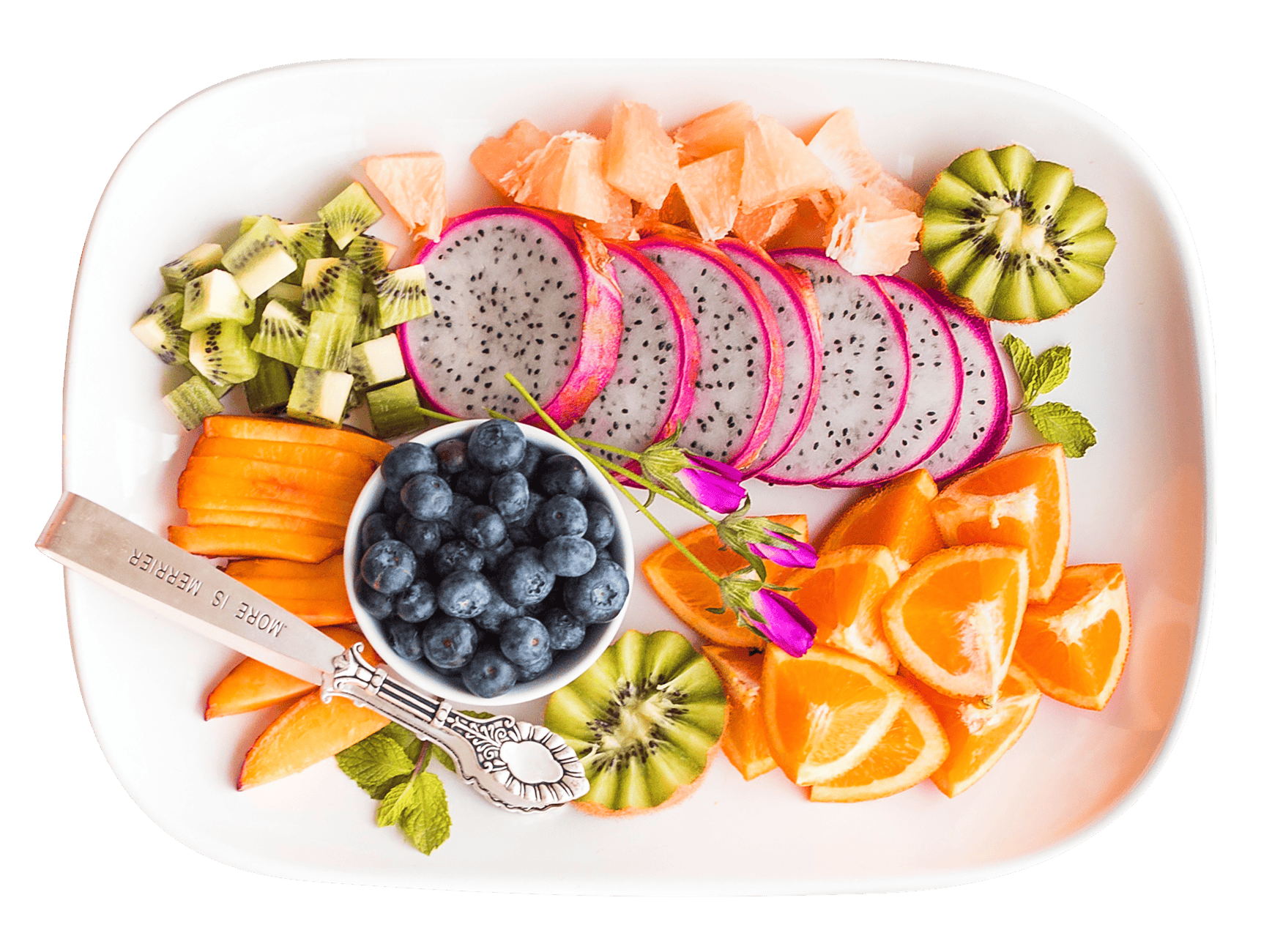
Bell peppers (especially red) contain nearly three times the vitamin C of an orange. Kiwi, strawberries, broccoli, and citrus are also excellent. Because stress actively depletes vitamin C, daily intake matters more during high-stress periods. Think of these as your adrenal support foods.
Adaptogens and Anti-Inflammatory Foods
Adaptogens are a class of herbs shown in research to help regulate the stress response. Ashwagandha has been studied for its cortisol-lowering effects; holy basil (tulsi) tea supports nervous system regulation. Turmeric (with black pepper for absorption), fatty fish, walnuts, and flaxseed address the inflammatory cascade that chronic stress triggers. These aren’t quick fixes, they work best as consistent additions to your daily routine.
Blood Sugar Stabilizers
To interrupt the cortisol-blood sugar cycle, prioritize meals that combine protein + healthy fat + fiber at every eating opportunity. Protein slows glucose absorption; fat provides sustained energy; fiber buffers blood sugar spikes. Practical examples: apple with almond butter, Greek yogurt with berries and flaxseed, eggs with avocado on whole grain toast. These combinations keep blood sugar steady even when cortisol is pushing it to spike.
Your One-Week Stress Recovery Nutrition Plan
This is a flexible framework designed to consistently deliver the nutrients your stressed body needs most. Think of it as a template you can adapt to your family’s preferences and schedule.
Daily Non-Negotiables
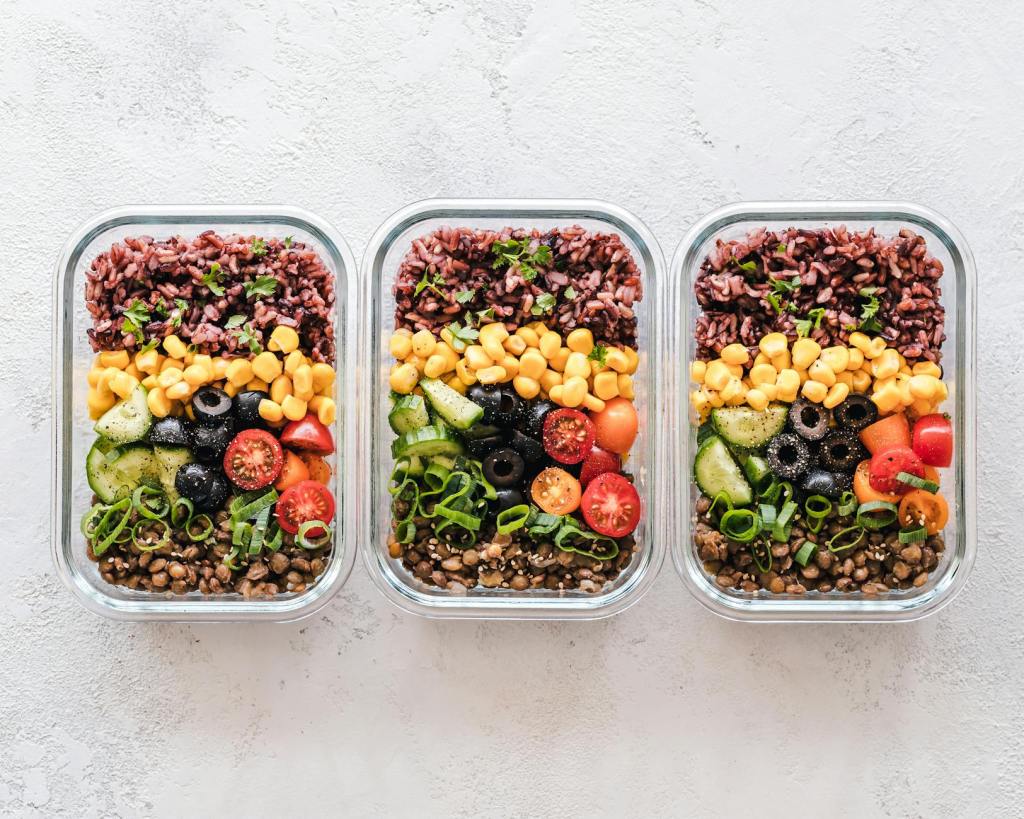
- One magnesium-rich food (pumpkin seeds, leafy greens, avocado, dark chocolate)
- One vitamin C-rich food (bell pepper, kiwi, strawberries, broccoli)
- Protein at breakfast (eggs, Greek yogurt, cottage cheese, or a protein smoothie)
- At least 2L of water (cortisol impairs hydration regulation)
- One omega-3 source (salmon, sardines, walnuts, flaxseed, or a quality fish oil)
Sample Day Template
- Breakfast: 2 eggs scrambled with spinach + half an avocado on whole grain toast, glass of water with lemon
- Mid-Morning: Tulsi (holy basil) tea + a small handful of pumpkin seeds
- Lunch: Large salad with salmon or chickpeas, red bell pepper, walnuts, olive oil and lemon dressing
- Afternoon Snack: Greek yogurt with strawberries and flaxseed (or apple with almond butter)
- Dinner: Salmon or lentil soup with a generous serving of roasted vegetables including broccoli or sweet potato, turmeric-spiced
For more practical meal ideas that work for your family’s schedule, see my post on quick and healthy meal prep tips for busy families and my nutrient-dense snacks for busy moms guide for stress-supportive snack ideas you can prep in minutes.
When Food Isn’t Enough: Recognizing the Bigger Picture
Nutrition is a powerful lever for stress recovery, but it isn’t the only one. It isn’t a replacement for addressing the sources of chronic stress in your life. If you’re in the full burnout pattern described in my post on evidence-based strategies to prevent mom burnout, or recognizing the warning signs from Part 2 of the stress series, nutrition supports your body’s ability to recover. But boundaries, sleep, and stress regulation tools matter equally.
A few situations where working with a healthcare provider is important:
- Persistent exhaustion that doesn’t improve with adequate sleep and nutrition changes
- Symptoms of thyroid dysfunction (cold intolerance, hair loss, weight changes) — chronic stress can trigger autoimmune thyroid conditions
- Significant mood changes, anxiety, or depression that feel beyond situational stress
- Blood sugar symptoms such as shakiness between meals, intense cravings, or dizziness
Your energy levels are data about your health, not a character flaw. Listening to them and responding with both nutritional support and appropriate professional care is one of the most evidence-based things you can do for yourself and your family.
The Bottom Line: Feed Your Stressed Body With Intention
Chronic stress and energy depletion are deeply interconnected, not just emotionally, but biochemically. When you understand that cortisol is actively pulling magnesium, B vitamins, and vitamin C out of your system, and disrupting the blood sugar stability your brain depends on, “just eat better” becomes a much more specific and actionable idea.
You don’t need a perfect diet. You need a stress-aware diet. One that consistently replenishes what stress takes, stabilizes what cortisol disrupts, and gives your body the raw materials to begin recovering.
Start with the daily non-negotiables. Add one new food from the list above each week. Use the sample day as a flexible template, not a rigid prescription. And if you want support putting this into practice, you know where to find me.
Did this resonate with you? Join my email community for weekly evidence-based wellness strategies designed specifically for busy moms. No fluff, just research-backed approaches that fit real life.
💬 Tell me in the comments: what’s your biggest energy challenge right now? Is it the afternoon crash, the morning drag, or something else entirely? I read every response.
🔗 Continue reading: Boundary Setting for Busy Moms | Mom Anxiety Relief | 15-Minute Home Workout for Busy Moms
What I Use and Recommend
Magnesium Glycinate — Because magnesium is one of the first nutrients depleted by chronic stress, this is the supplement I recommend most consistently to my coaching clients. I use Pure Encapsulations Magnesium Glycinate. It’s highly absorbable and gentle on the stomach.
Tulsi (Holy Basil) Tea — A simple daily ritual that supports nervous system regulation. ORGANIC INDIA Tulsi Original Herbal Tea is my go-to because every batch is third-party GC/MS tested.
Fish Oil — For omega-3 support during high-stress periods, a quality fish oil fills the gaps when salmon isn’t on the menu. For years I have used Standard Process Tuna Omega-3 Oil
Disclaimer
The information in this post is intended for educational purposes only and does not constitute medical advice. While I hold a Master’s degree in Family and Developmental Studies and am a certified health and life coach, I am not a licensed medical professional, registered dietitian, or therapist. The nutritional strategies and information shared here are based on peer-reviewed research and are meant to support general wellness. They are not a substitute for personalized medical guidance. If you are experiencing symptoms of chronic stress, burnout, or related health concerns, please consult with your healthcare provider before making significant changes to your diet or lifestyle. Individual needs vary, and what works for one person may not be appropriate for another.
About the Author
Jaime is a senior college instructor with a M.S. in Family and Developmental Studies and a certified health, life, and mastery coach. She is married with two teenage sons. Throughout her own journey of balancing motherhood, career, and life, she became a passionate advocate for maternal health and well-being. She believes that when moms thrive, families flourish.
A quick note: Some links below are affiliate links, meaning I may earn a small commission if you purchase through them — at no additional cost to you. As an Amazon Associate I earn from qualifying purchases. I only recommend products I personally use and trust.
References
Asbaghi, O., Moradi, S., Nezamoleslami, S., Moosavian, S. P., Hekmatdoost, A., & Miraghajani, M. (2020). The relationship between dietary magnesium intake and psychological status. Magnesium Research, 33(2), 29–40. https://doi.org/10.1684/mrh.2020.0464
Cloete, L. (2022). Diabetes mellitus: An overview of the types, symptoms, complications and management. Nursing Standard, 37(1), 61–66. https://doi.org/10.7748/ns.2021.e11709
Gonzalez, M. J., & Miranda-Massari, J. R. (2014). Diet and stress. Psychiatric Clinics of North America, 37(4), 579–589. https://doi.org/10.1016/j.psc.2014.08.004
Head, K. A., & Kelly, G. S. (2009). Nutrients and botanicals for treatment of stress: Adrenal fatigue, neurotransmitter imbalance, anxiety, and restless sleep. Alternative Medicine Review, 14(2), 114–140.
Lopresti, A. L., Smith, S. J., Malvi, H., & Kodgule, R. (2019). An investigation into the stress-relieving and pharmacological actions of an ashwagandha (Withania somnifera) extract. Medicine, 98(37), e17186. https://doi.org/10.1097/MD.0000000000017186
Marik, P. E. (2020). Vitamin C: An essential “stress hormone” during sepsis. Journal of Thoracic Disease, 12(Suppl 1), S84–S88. https://doi.org/10.21037/jtd.2019.12.64
Panossian, A., & Wikman, G. (2010). Effects of adaptogens on the central nervous system and the molecular mechanisms associated with their stress-protective activity. Pharmaceuticals, 3(1), 188–224. https://doi.org/10.3390/ph3010188
Rosanoff, A., Weaver, C. M., & Rude, R. K. (2012). Suboptimal magnesium status in the United States: Are the health consequences underestimated? Nutrition Reviews, 70(3), 153–164. https://doi.org/10.1111/j.1753-4887.2011.00465.x
Salleh, M. R. (2008). Life event, stress and illness. Malaysian Journal of Medical Sciences, 15(4), 9–18.
 Balanced Mom Blueprint
Leave a comment