

Are you an overwhelmed mother dealing with mood swings, energy crashes, and feeling like your body isn’t your own anymore? If you’re struggling with irritability, exhaustion that sleep doesn’t fix, or feeling emotionally all over the place, your hormones might be crying out for nutritional support.
As someone who has works with overwhelmed mothers through my coaching practice, I’ve seen firsthand how the right hormone-balancing foods can transform not just how you feel physically, but how you show up for your family. The beautiful truth? You don’t need expensive supplements or complicated protocols. Your kitchen already holds powerful tools for hormonal healing.
Here’s what many overwhelmed mothers don’t realize: chronic stress, sleep deprivation, and poor nutrition create a perfect storm for hormonal chaos. But with strategic nutrition choices, you can support your body’s natural hormone production and regulation. This can even happen in the midst of busy motherhood.
Why Overwhelmed Mothers Face Unique Hormonal Challenges
Motherhood creates the perfect conditions for hormonal disruption. Between sleep deprivation, chronic stress, irregular eating patterns, and the physical demands of caring for others, our hormonal systems work overtime just to keep us functioning.
The stress-hormone connection in mothers:
- Elevated cortisol from chronic overwhelm
- Disrupted insulin sensitivity from irregular eating
- Compromised thyroid function from inadequate nutrition
- Imbalanced reproductive hormones from sleep deprivation
Research shows that 40% of mothers experience significant hormonal imbalances within the first five years of having children. Yet most of us accept feeling “off” as just part of motherhood.
The encouraging news? Targeted nutrition can support your body’s natural hormone regulation, helping you feel more like yourself again.
8 Essential Hormone-Balancing Foods Every Overwhelmed Mother Needs
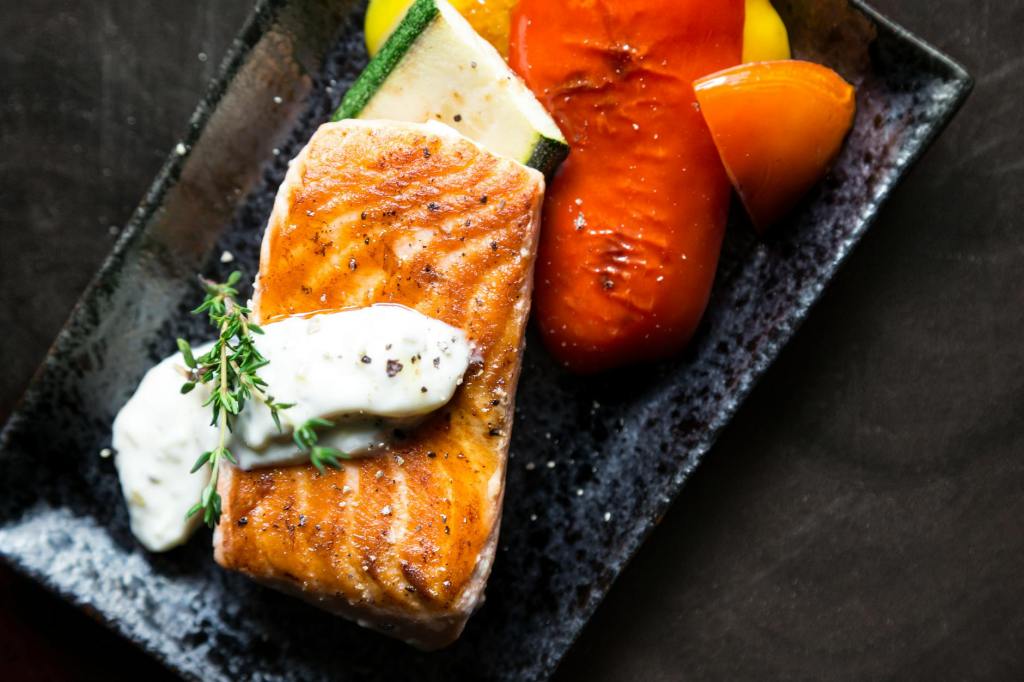
1. Fatty Fish: Omega-3s for Stress Hormone Regulation
Salmon, sardines, and mackerel provide omega-3 fatty acids that directly support cortisol regulation. Studies show that adequate omega-3 intake can reduce cortisol response to stress by up to 22%.
How to include it: Canned salmon on whole grain crackers for quick snacks, or sardines mixed into pasta salad for family dinners.
2. Leafy Greens: Magnesium for Calming Overwhelmed Systems
Spinach, kale, and Swiss chard are rich in magnesium. This is a mineral that up to 80% of women are deficient in. Magnesium directly supports the production of calming neurotransmitters and helps regulate cortisol.
How to include it: Add a handful of spinach to morning smoothies, or massage kale with olive oil for quick salads.
3. Avocados: Healthy Fats for Hormone Production
The monounsaturated fats in avocados provide the building blocks your body needs to produce hormones like estrogen and progesterone. Plus, they’re incredibly convenient for busy mothers.
How to include it: Mash half an avocado on toast, add slices to salads, or blend into smoothies for creaminess.
4. Greek Yogurt: Probiotics for Gut-Hormone Connection

Your gut health directly impacts hormone metabolism. Greek yogurt provides probiotics that support the gut bacteria responsible for processing hormones like estrogen.
How to include it: Layer with berries for breakfast, use as a base for smoothies, or substitute for sour cream in family meals.
5. Pumpkin Seeds: Zinc for Reproductive Hormone Balance
Just two tablespoons of pumpkin seeds provide significant zinc, which supports testosterone and progesterone production. This is crucial for energy and mood stability in overwhelmed mothers.
How to include it: Sprinkle on salads, mix into trail mix, or roast with sea salt for an easy snack.
6. Sweet Potatoes: Complex Carbs for Stable Blood Sugar
The fiber and complex carbohydrates in sweet potatoes help maintain steady blood sugar. This prevents the insulin spikes that can disrupt other hormones.
How to include it: Roast cubes for family dinners, make quick microwave “baked” sweet potatoes, or add to morning hash.
7. Brazil Nuts: Selenium for Thyroid Support

Just 2-3 Brazil nuts daily provide your entire selenium requirement, a mineral essential for thyroid hormone conversion and metabolism regulation.
How to include it: Add to morning oatmeal, include in homemade trail mix, or eat as a quick afternoon snack.
8. Dark Chocolate: Antioxidants for Stress Recovery
Quality dark chocolate (70% cacao or higher) contains compounds that can lower cortisol levels and provide magnesium for nervous system support.
How to include it: One small square after dinner, melted into morning oatmeal, or mixed into homemade energy balls.
Quick Hormone-Supporting Meals for Overwhelmed Mothers
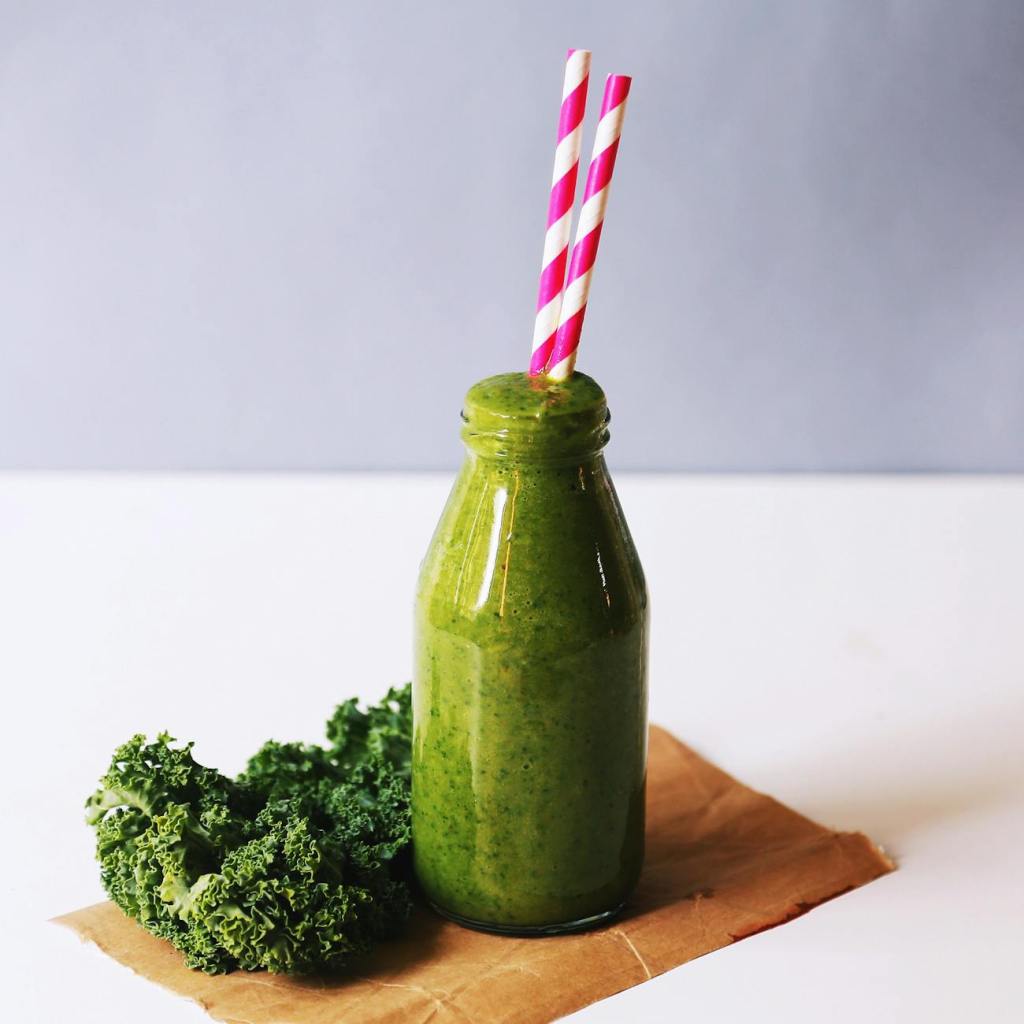
The 5-Minute Hormone Helper Smoothie
- 1 cup spinach
- 1/2 avocado
- 1/2 cup Greek yogurt
- 1 tablespoon pumpkin seeds
- 1 cup unsweetened almond milk
- Handful of berries
This single smoothie provides omega-3s, magnesium, probiotics, zinc, and antioxidants.
The Stress-Fighting Salad
- Mixed leafy greens
- Canned salmon or sardines
- Sliced avocado
- Pumpkin seeds
- Olive oil and lemon dressing
Ready in 3 minutes, supports cortisol regulation and provides hormone-building fats.
The Energy-Sustaining Snack Plate
- 2-3 Brazil nuts
- Greek yogurt with berries
- Small piece of dark chocolate
- Cucumber slices
Perfect for afternoon energy crashes while supporting thyroid and stress hormones.
Meal Timing Strategies for Hormonal Balance

For overwhelmed mothers, WHEN you eat matters as much as WHAT you eat:
Morning Hormone Support (6-9 AM)
- Eat within 2 hours of waking to support cortisol rhythm
- Include protein and healthy fats to stabilize blood sugar
- Example: Greek yogurt with nuts and berries
Midday Stability (11 AM-2 PM)
- Focus on balanced meals to prevent afternoon crashes
- Combine complex carbs, protein, and vegetables
- Example: Sweet potato with salmon and leafy greens
Evening Recovery (5-8 PM)
- Support overnight hormone production with adequate nutrition
- Include magnesium-rich foods to promote better sleep
- Example: Dinner with leafy greens and a small piece of dark chocolate
If you are wanting more support to transform you day check out the 15-Minute Morning Routine for Busy Moms
Foods That Disrupt Hormones in Overwhelmed Mothers

While focusing on adding hormone-supporting foods, be aware that these common “convenient” foods can worsen hormonal imbalances:
- Excessive caffeine: More than 2 cups daily can elevate cortisol
- Refined sugars: Create blood sugar spikes that disrupt insulin and other hormones
- Processed foods: Often contain hormone-disrupting chemicals
- Alcohol: Can interfere with sleep quality and hormone metabolism
There are many more energy draining habits that may surprise you. Check out 7 Energy-Draining Habits that Secretly Exhaust Busy Moms.
The goal isn’t perfection, it’s progress. Small, consistent changes create meaningful hormonal improvements.
When to Seek Additional Support for Hormonal Health
While nutrition forms the foundation of hormonal health, sometimes overwhelmed mothers need additional support. Consider consulting a healthcare provider if you experience:
- Severe mood swings that interfere with daily life
- Persistent fatigue despite adequate sleep and nutrition
- Irregular periods or significant changes in menstrual patterns
- Unexplained weight gain or difficulty losing weight
- Persistent anxiety or depression symptoms
Remember: Prioritizing your hormonal health is essential for showing up as the mother you want to be.
Building Sustainable Hormone-Supporting Habits

For overwhelmed mothers, sustainability trumps perfection every time. Start with these manageable approaches:
Week 1: Add One Hormone-Supporting Food Daily
Choose one food from the list above and include it once daily. Maybe it’s adding spinach to your morning eggs or having Greek yogurt as an afternoon snack.
Week 2: Focus on Meal Timing
Work on eating within 2 hours of waking and having balanced meals every 3-4 hours to support stable blood sugar.
Week 3: Prep Hormone-Supporting Snacks
Pre-portion trail mix with pumpkin seeds and dark chocolate, or prep smoothie ingredients for quick hormone-helper drinks.
Week 4: Create Your Signature Hormone-Supporting Meal
Develop one go-to meal that includes multiple hormone-supporting foods—like the stress-fighting salad above.
Ready to Support Your Hormonal Health Naturally?
Hormonal balance doesn’t happen overnight, but with consistent nutrition choices that support your body’s natural processes, you can start feeling more like yourself again. Your overwhelmed, exhausted self doesn’t have to be your permanent reality.
Want more evidence-based strategies for thriving as a busy mother? Check out my posts on energy-boosting foods for sleep-deprived moms and nutrient dense snacks. Because when you prioritize your health with practical, sustainable approaches, your entire family benefits.
Remember: You’re not asking for too much when you want to feel balanced and energized. You deserve to feel good in your body, even in the beautiful chaos of motherhood.
Want more nutrition support? Subscribe below!
References
Hormonal Health in Mothers
- Schury, K., & Kolassa, I. T. (2012). Biological memory of childhood maltreatment: Current knowledge and recommendations for future research. Annals of the New York Academy of Sciences, 1262(1), 93-100.
- Deligiannidis, K. M., & Freeman, M. P. (2014). Complementary and alternative medicine therapies for perinatal depression. Best Practice & Research Clinical Obstetrics & Gynaecology, 28(1), 85-95.
- American College of Obstetricians and Gynecologists. (2018). Committee Opinion No. 757: Screening for perinatal depression. Obstetrics & Gynecology, 132(5), e208-e212.
Omega-3 Fatty Acids and Stress Response
- Kiecolt-Glaser, J. K., Belury, M. A., Andridge, R., Malarkey, W. B., & Glaser, R. (2011). Omega-3 supplementation lowers inflammation and anxiety in medical students: A randomized controlled trial. Brain, Behavior, and Immunity, 25(8), 1725-1734.
- Barbadoro, P., Annino, I., Ponzio, E., Romanelli, R. M., D’Errico, M. M., Prospero, E., & Minelli, A. (2011). Fish oil supplementation reduces cortisol basal levels and perceived stress: A randomized, placebo-controlled trial in abstinent alcoholics. Molecular Nutrition & Food Research, 55(9), 1295-1302.
Magnesium and Hormonal Function
- Cuciureanu, M. D., & Vink, R. (2011). Magnesium and stress. In Magnesium in the Central Nervous System (pp. 251-268). University of Adelaide Press.
- Pickering, G., Mazur, A., Trousselard, M., Bienkowski, P., Yaltsewa, N., Amessou, M., … & Pouteau, E. (2020). Magnesium status and stress: The vicious circle concept revisited. Nutrients, 12(12), 3672.
Gut Health and Hormone Metabolism
- Baker, J. M., Al-Nakkash, L., & Herbst-Kralovetz, M. M. (2017). Estrogen–gut microbiome axis: Physiological and clinical implications. Maturitas, 103, 45-53.
- Kwa, M., Plottel, C. S., Blaser, M. J., & Adams, S. (2016). The intestinal microbiome and estrogen receptor-positive female breast cancer. JNCI: Journal of the National Cancer Institute, 108(8), djw029.
Zinc and Reproductive Hormones
- Prasad, A. S. (2013). Discovery of human zinc deficiency: Its impact on human health and disease. Advances in Nutrition, 4(2), 176-190.
- Fallah, A., Mohammad-Hasani, A., & Colagar, A. H. (2018). Zinc is an essential element for male fertility: A review of Zn roles in men’s health, germination, sperm quality, and fertilization. Journal of Reproduction & Infertility, 19(2), 69-81.
Blood Sugar and Hormonal Balance
- Wylie-Rosett, J., Aebersold, K., Conlon, B., Isasi, C. R., & Ostrovsky, N. W. (2013). Health effects of low-carbohydrate diets: Where should new research go? Current Diabetes Reports, 13(2), 271-278.
- Ludwig, D. S. (2002). The glycemic index: Physiological mechanisms relating to obesity, diabetes, and cardiovascular disease. JAMA, 287(18), 2414-2423.
Selenium and Thyroid Function
- Ventura, M., Melo, M., & Carrilho, F. (2017). Selenium and thyroid disease: From pathophysiology to treatment. International Journal of Endocrinology, 2017, 1297658.
- Wu, Q., Rayman, M. P., Lv, H., Schomburg, L., Cui, B., Gao, C., … & Wang, H. (2015). Low population selenium status is associated with increased prevalence of thyroid disease. Journal of Clinical Endocrinology & Metabolism, 100(11), 4037-4047.
Dark Chocolate and Stress Hormones
- Martin, F. P., Rezzi, S., Peré-Trepat, E., Kamlage, B., Collino, S., Leibold, E., … & Kochhar, S. (2009). Metabolic effects of dark chocolate consumption on energy, gut microbiota, and stress-related metabolism in free-living subjects. Journal of Proteome Research, 8(12), 5568-5579.
- Patel, A. K., Rogers, J. T., Huang, X., & Garrel, C. (2008). Dark chocolate reduces stress hormones in highly anxious people. Journal of Proteome Research, 8(12), 5568-5579.
Circadian Rhythms and Meal Timing
- Scheer, F. A., Morris, C. J., & Shea, S. A. (2013). The internal circadian clock increases hunger and appetite in the evening independent of food intake and other behaviors. Obesity, 21(3), 421-423.
- Johnston, J. D. (2014). Physiological responses to food intake throughout the day. Nutrition Research Reviews, 27(1), 107-118.
Maternal Stress and Nutrition
- Wolkowitz, O. M., Epel, E. S., Reus, V. I., & Mellon, S. H. (2010). Depression gets old fast: Do stress and depression accelerate cell aging? Depression and Anxiety, 27(4), 327-338.
- Cohen, S., Janicki-Deverts, D., & Miller, G. E. (2007). Psychological stress and disease. JAMA, 298(14), 1685-1687.
About the Author
Jaime is a senior college instructor with a M.S. in Family and Developmental Studies. She is a certified health, life and mastery coach. She is married with two teenage sons. Throughout her journey of balancing motherhood, career and life she has become an advocate for maternal health and well-being. She believes that when Moms thrive, families flourish.
Medical Disclaimer
The information provided in this article is for educational purposes only and is not intended as medical advice. This content should not be used to diagnose, treat, cure, or prevent any health condition or disease. Individual nutritional needs vary, and what works for one person may not be appropriate for another.
Always consult with your healthcare provider before making significant changes to your diet, especially if you are pregnant, breastfeeding, taking medications, or have any underlying health conditions. If you are experiencing severe hormonal symptoms, persistent fatigue, mood changes, or other concerning health issues, please seek professional medical evaluation.
The author is a certified health coach but is not a licensed medical practitioner. This information is based on current research and the author’s professional experience but should not replace personalized medical care from qualified healthcare professionals.
Results from implementing these nutritional strategies may vary from person to person. The author and website are not responsible for any adverse effects or consequences resulting from the use of suggestions, preparations, or procedures discussed in this article.
 Balanced Mom Blueprint
Leave a comment