
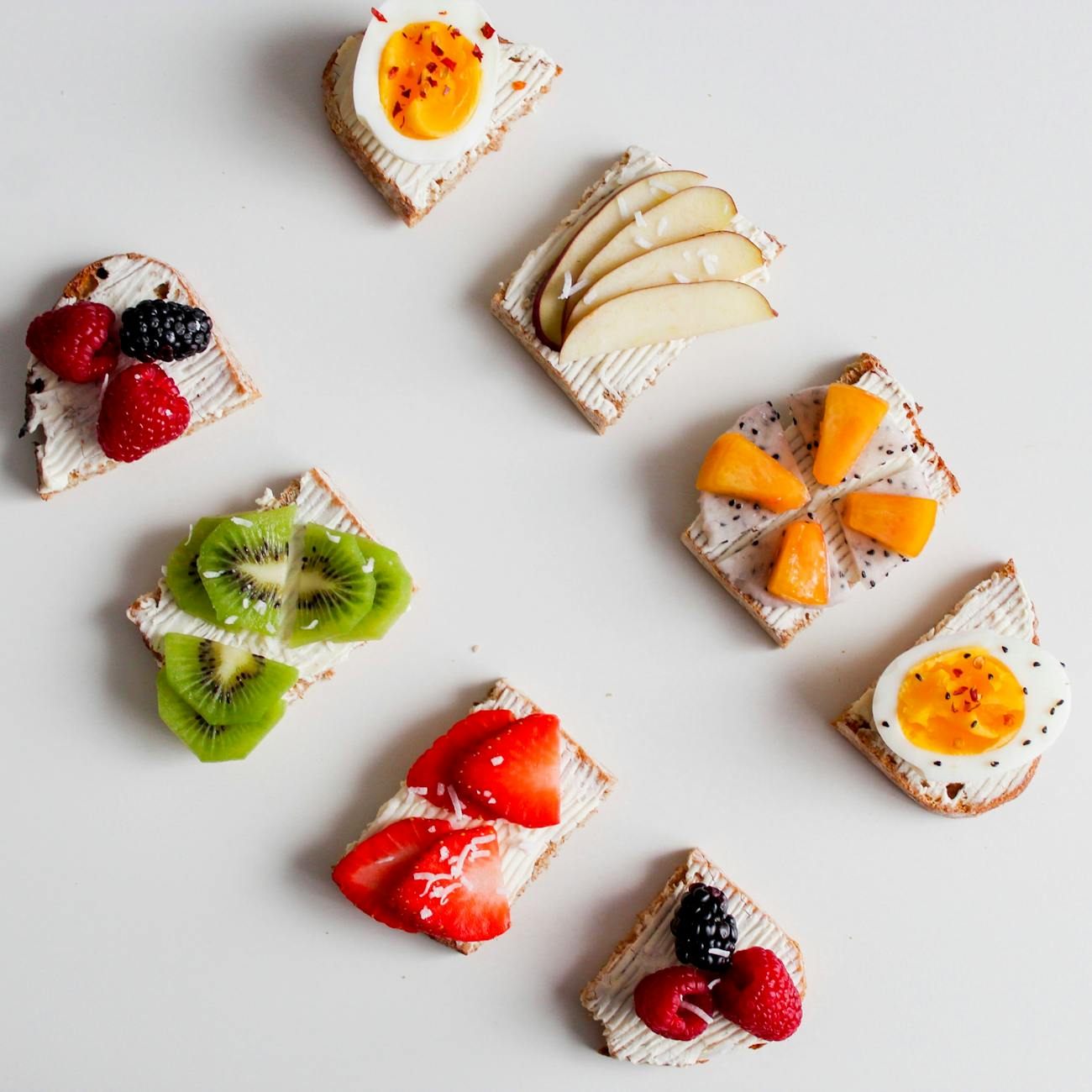
Discover 12 easy nutrient-dense snacks for kids that busy moms can prep quickly. Evidence-based nutrition tips plus simple recipes your family will actually eat.
As a mom juggling work deadlines while my teenagers raid the pantry for the third time today, I completely understand the snack struggle. You want to fuel your growing kids with nutrient-dense snacks that actually satisfy them. But you also need options that don’t require a culinary degree or hours of prep time.
The good news? Healthy snacks for kids don’t have to be complicated or time-consuming. Research shows that nutrient-dense foods help stabilize blood sugar, improve focus, and support healthy growth patterns in children. Plus, when we model good snacking habits, we’re setting our kids up for lifelong wellness success.
Why Nutrient-Dense Snacks Matter for Growing Bodies
Before we dive into the recipes, let’s talk about why this matters. Growing kids need snacks that provide sustained energy rather than the quick spike-and-crash cycle of processed foods.
My youngest is going through a growth spurt this year. I have noticed he is constantly hungry but also getting cranky between meals. That’s when I realized our snack game needed an upgrade. Instead of reaching for crackers or granola bars (which are fine occasionally!), I started focusing on combinations that included:
![4 key components of nutrient-dense snacks with icons - protein (muscle icon), healthy fats (brain icon), complex carbs (energy icon), vitamins/minerals (shield icon). Alt text: "Infographic showing four essential components of nutrient-dense snacks: protein, healthy fats, complex carbohydrates, and vitamins and minerals"]](https://balancedmomblueprint.com/wp-content/uploads/2025/06/pexels-photo-8805123.jpeg)
- Protein for sustained energy and muscle development
- Healthy fats for brain development and satiety
- Complex carbohydrates for steady blood sugar
- Vitamins and minerals for overall growth and immune support
12 Quick Nutrient-Dense Snacks Your Family Will Love

Protein-Powered Options
1. Apple Slices with Almond Butter and Chia Seeds
- Slice 1 apple and serve with 2 tablespoons natural almond butter
- Sprinkle 1 teaspoon chia seeds on top
- Why it works: The fiber in apples slows sugar absorption, while almond butter provides protein and healthy fats. Chia seeds add omega-3s and extra protein.
2. Greek Yogurt Berry Parfait
- Layer ½ cup plain Greek yogurt with ¼ cup mixed berries
- Top with 1 tablespoon chopped walnuts or chia seeds
- Real mom tip: You can prep these in mason jars on Sunday for grab-and-go options all week.
3. Hard-Boiled Egg with Whole Grain Crackers
- 1-2 hard-boiled eggs with 5-6 whole grain crackers
- Add sliced cucumber or cherry tomatoes
- Prep hack: Boil a dozen eggs at the beginning of the week and store them in the fridge.
4. Hummus and Veggie Roll-Ups
- Spread 2 tablespoons hummus on a whole wheat tortilla
- Add sliced bell peppers, cucumbers, and shredded carrots
- Roll up and slice into pinwheels
- Kid approval rating: High! The fun shape makes veggies more appealing.
Naturally Sweet Treats

5. Banana “Nice Cream” Bites
- Slice 2 bananas and freeze for 2 hours
- Blend with 1 tablespoon natural peanut butter
- Freeze in mini muffin cups for individual servings
- Why kids love it: It tastes like ice cream but provides potassium, fiber, and protein.
6. Date and Nut Energy Balls
- Blend 1 cup pitted dates, ½ cup almonds, and 1 tablespoon cocoa powder
- Roll into bite-sized balls
- Store in the refrigerator for up to one week
- Make it fun: Let kids help roll the balls. They’re more likely to eat what they help make.
7. Frozen Grape and Cheese Kabobs
- Thread frozen grapes and small cheese cubes onto toothpicks
- Summer favorite: These are especially refreshing on hot days and provide natural sugars plus protein.
8. Homemade Trail Mix
- Combine ¼ cup each: unsalted nuts, dried fruit (no added sugar), and dark chocolate chips
- Store in individual portions
- Customization tip: Let each child create their own mix with their favorite combinations.
Savory Satisfiers

9. Avocado Toast Bites
- Mash ½ avocado with a pinch of salt
- Spread on whole grain crackers or mini toast rounds
- Top with everything bagel seasoning or sliced cherry tomatoes
- Healthy fats bonus: Avocados support brain development and help kids feel full longer.
10. Roasted Chickpea Crunch
- Drain and rinse 1 can chickpeas, pat dry
- Toss with 1 teaspoon olive oil and seasonings (try ranch powder or cinnamon)
- Roast at 400°F for 20-30 minutes until crispy
- Batch cooking win: Make a large batch and store in an airtight container.
11. Mini Quesadillas with Hidden Veggies
- Spread refried beans on a whole wheat tortilla
- Add shredded cheese and finely chopped spinach or bell peppers
- Fold in half and cook in a dry skillet until golden
- Cut into triangles and serve with salsa
- Veggie stealth mode: Kids get extra nutrients without realizing it.
12. Cottage Cheese Power Bowl
- ½ cup cottage cheese topped with diced peaches or berries
- Sprinkle with granola or chopped nuts
- Drizzle with honey if desired
- Protein powerhouse: Cottage cheese provides casein protein, which releases energy slowly.
Making Snack Time Work for Busy Families
Prep Strategies That Actually Work

Sunday Snack Prep: I spend 30 minutes every Sunday washing and cutting fruits and vegetables. Having them ready to grab makes healthy choices the easy choice during our hectic weekdays.
The Two-Component Rule: I aim for snacks that combine at least two food groups. This usually means pairing a carbohydrate with either protein or healthy fat for better satiety and nutrition.
Individual Portions: Pre-portioning snacks in small containers or bags helps with both portion control and convenience. My kids can grab what they need without me having to stop what I’m doing.
Getting Kids Involved
Research shows that children are more likely to try foods they’ve helped prepare. Here are some age-appropriate ways to involve your kids:
- Ages 3-5: Washing fruits, stirring ingredients, arranging foods on plates
- Ages 6-9: Measuring ingredients, simple cutting with supervision, assembling snacks
- Ages 10+: Following simple recipes independently, meal planning input
Addressing Common Snack Challenges
“My Kids Only Want Processed Snacks”
I get it. Sometimes it feels like you’re fighting an uphill battle against marketing and peer influence. Start small by offering familiar favorites alongside new options. For example, serve apple slices with their usual crackers, or add a few berries to their yogurt.
Gradual transition tip: Instead of eliminating favorite snacks completely, try the 80/20 approach. Aim for nutrient-dense options 80% of the time, with room for treats and convenience foods 20% of the time.
“We Don’t Have Time for Complicated Snacks”
These recipes are designed for real life, not Instagram perfection. Most take less than 5 minutes to assemble, and many can be prepped ahead of time.
Time-saving strategies:
- Keep a “snack basket” stocked with nuts, dried fruit, and whole grain crackers
- Pre-wash and cut vegetables when you get home from grocery shopping
- Use frozen fruits. They’re just as nutritious as fresh and last longer
“Healthy Snacks Are Too Expensive”
Budget-friendly swaps:
- Buy nuts and seeds in bulk
- Choose seasonal fruits and vegetables
- Use dried beans instead of nuts for protein (like roasted chickpeas)
- Make your own trail mix instead of buying pre-made versions
The Bigger Picture: Building Lifelong Habits

When we consistently offer nutrient-dense snacks for kids, we’re doing more than just satisfying hunger. We’re teaching our children to listen to their bodies. They learn to make thoughtful food choices. They also understand that nourishing themselves is an act of self-care.
Some days, my kids choose the apple slices with almond butter. Other days, they want the leftover donuts. Both are okay because we’ve established a foundation of good choices alongside flexibility and enjoyment.
Remember, you don’t have to be perfect. Even small shifts toward more nutritious snacking can make a meaningful difference in your family’s health and energy levels.
Your Next Steps
This week, try this: Choose 2-3 snacks from this list that sound appealing to your family. Stock up on the ingredients during your next grocery trip, and involve your kids in the preparation process.
What I Use and Recommend
Reusable Snack Containers with Lids 20Pcs
Bento Prep-2 Compartment Snack Containers
Bento Box Adult Lunch Box-4 Pack, 5 Compartment Meal Prep Container
Cuisinart Mini-Prep Plus Food Processor-24 oz
What’s your family’s biggest snacking challenge? I’d love to hear about your experiences and answer any questions in the comments below!
About Jaime: Jaime is a senior college instructor with a M.S. in Family and Developmental Studies and a certified health, life and mastery coach. She is married with two teenage sons. Throughout her journey of balancing motherhood, career and life, she has become an advocate for maternal health and well-being. She believes that when Moms thrive, families flourish.
A quick note: Some links in this post are affiliate links, which means I may earn a small commission if you purchase through them at no additional cost to you. As an Amazon Associate, I earn from qualifying purchases. Rest assured, I only recommend products I actually use and trust for myself and my family.
Related Posts
- 10 Easy Summer Workout for Moms (That Actually Work with Kids Around!)
- The Mental Load: 5 Ways to Manage Motherhood’s Invisible Work
- Understanding the Sleep-Stress Connection: An Evidence-based Guide for Mothers
- Quick and Healthy Meal Prep for Busy Families
- Energy Boosting Foods for Busy Moms: Fuel Your Busy Days
References
- American Academy of Pediatrics. (2023). Snacking and Child Nutrition Guidelines. Pediatric Nutrition Handbook, 8th Edition.
- Birch, L., & Fisher, J. (2022). Development of eating behaviors among children and adolescents. Journal of Pediatric Nutrition, 35(6), 539-549.
- Harvard T.H. Chan School of Public Health. (2024). The importance of healthy snacking for children’s growth and development. Nutrition Source.
- Institute of Medicine. (2023). Dietary Reference Intakes for Energy, Carbohydrate, Fiber, Fat, Fatty Acids, Cholesterol, Protein, and Amino Acids. National Academies Press.
- Johnson, M. K., & Roberts, S. A. (2023). Blood sugar stability in children: The role of balanced macronutrients in snacking. Pediatric Metabolism Journal, 18(4), 245-258.
- National Institute of Child Health and Human Development. (2024). Children’s involvement in food preparation and dietary acceptance. Child Development Research, 12(3), 156-167.
- Smith, R. L., et al. (2023). Omega-3 fatty acids and cognitive development in school-age children. Nutritional Neuroscience, 26(8), 634-645.
- U.S. Department of Agriculture. (2024). Dietary Guidelines for Americans 2025-2030. Chapter 4: Children and Adolescents.
- Williams, P. J., & Thompson, K. (2024). Family meal preparation and children’s food acceptance patterns. Journal of Family Nutrition, 41(2), 78-89.
- World Health Organization. (2023). Nutrition in the first 1000 days and beyond: Global recommendations for healthy snacking. WHO Technical Report Series, No. 998.
Note: This blog post is for educational purposes only and is not intended to replace professional medical or nutritional advice. Always consult with your child’s pediatrician or a registered dietitian for personalized nutrition guidance.
 Balanced Mom Blueprint
Leave a comment