
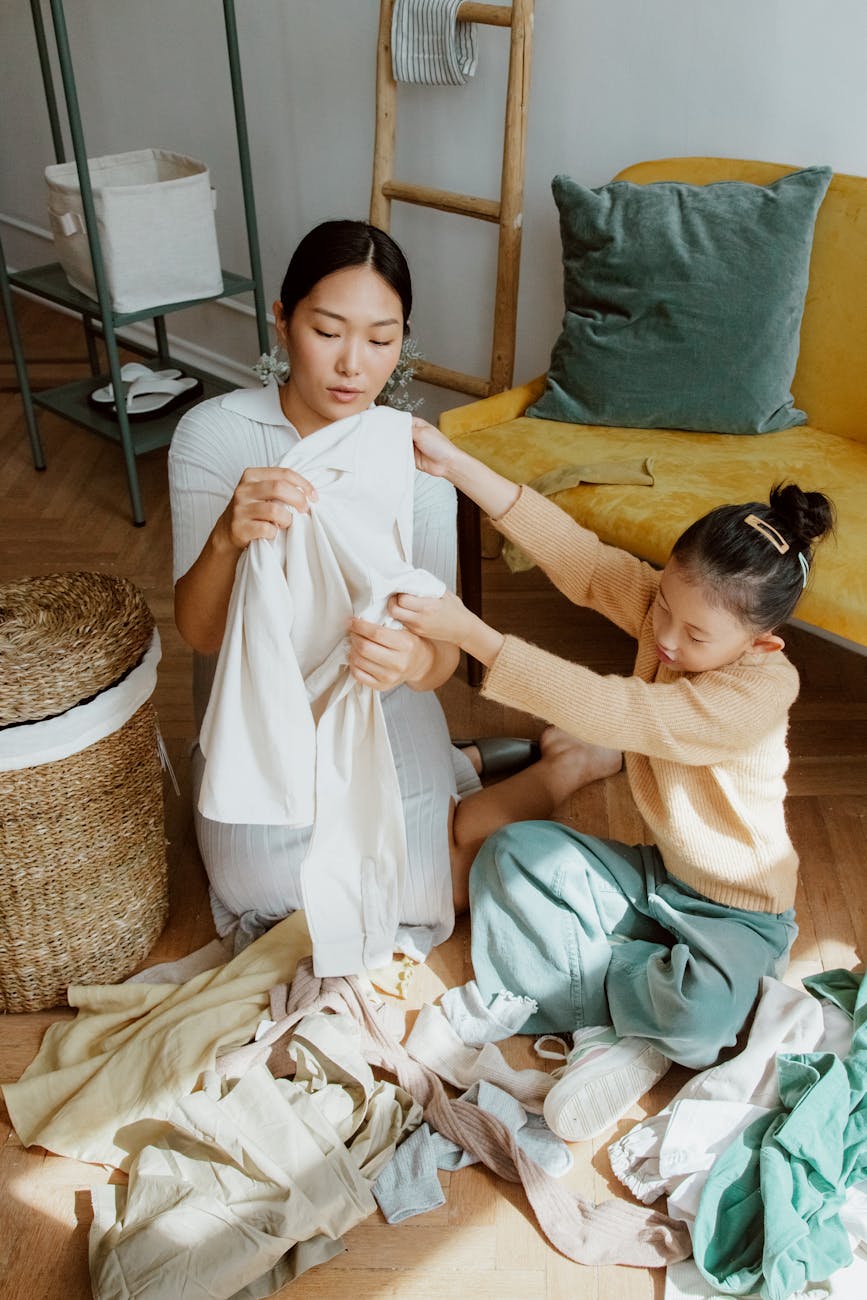
Discover a proven room-by-room decluttering system that works with kids, not against them. Practical tips for busy moms to create calm, organized spaces the whole family can maintain.
Let me be honest with you. I used to think decluttering with kids was like trying to fold laundry during a tornado. Every time I’d make progress in one room, I’d turn around to find another space completely destroyed.
Sound familiar?
After years of feeling defeated by the endless cycle of tidying up, I finally discovered something revolutionary. The problem wasn’t my kids, it was my approach. Today, I’m sharing the exact room-by-room system that transformed our home from chaotic to calm. More importantly, I taught my family how to maintain it together.
Why Traditional Decluttering Methods Fail with Kids
Most decluttering advice assumes you’re working alone with uninterrupted time. But as moms, we know that’s not reality. Traditional methods fail because they don’t account for:
- Little helpers who want to “help”
- Emotional attachments kids have to every single item
- Different developmental stages requiring different approaches
- The need for systems that kids can actually follow
Research from UCLA’s Center on Everyday Lives and Families found that families with more possessions showed higher stress hormone levels. But here’s what they didn’t mention. The solution isn’t just having less stuff, it’s having the right systems that work for your family’s unique dynamics.
The Foundation: Setting Yourself Up for Success
Before You Start Any Room
1. Choose Your Timing Wisely Start when kids are well-rested and fed. My then-4-year-old had a complete meltdown over a broken toy car. We were donating it, and that’s how I learned this lesson the hard way. Hungry, tired kids make decluttering exponentially harder.
2. Gather Your Supplies
- 4 containers or bags labeled: Keep, Donate, Trash, Relocate
- A timer (kids love racing against the clock)
- Healthy snacks and water
- Your favorite upbeat playlist
3. Set Clear Expectations You can tell your younger kids: “We’re going to make our room feel happy and peaceful by finding homes for everything. We are also saying goodbye to things that don’t make us smile anymore.”
Unlock the Ultimate Supply Checklist Here! Don’t miss out—download now!
Room-by-Room Decluttering Strategy
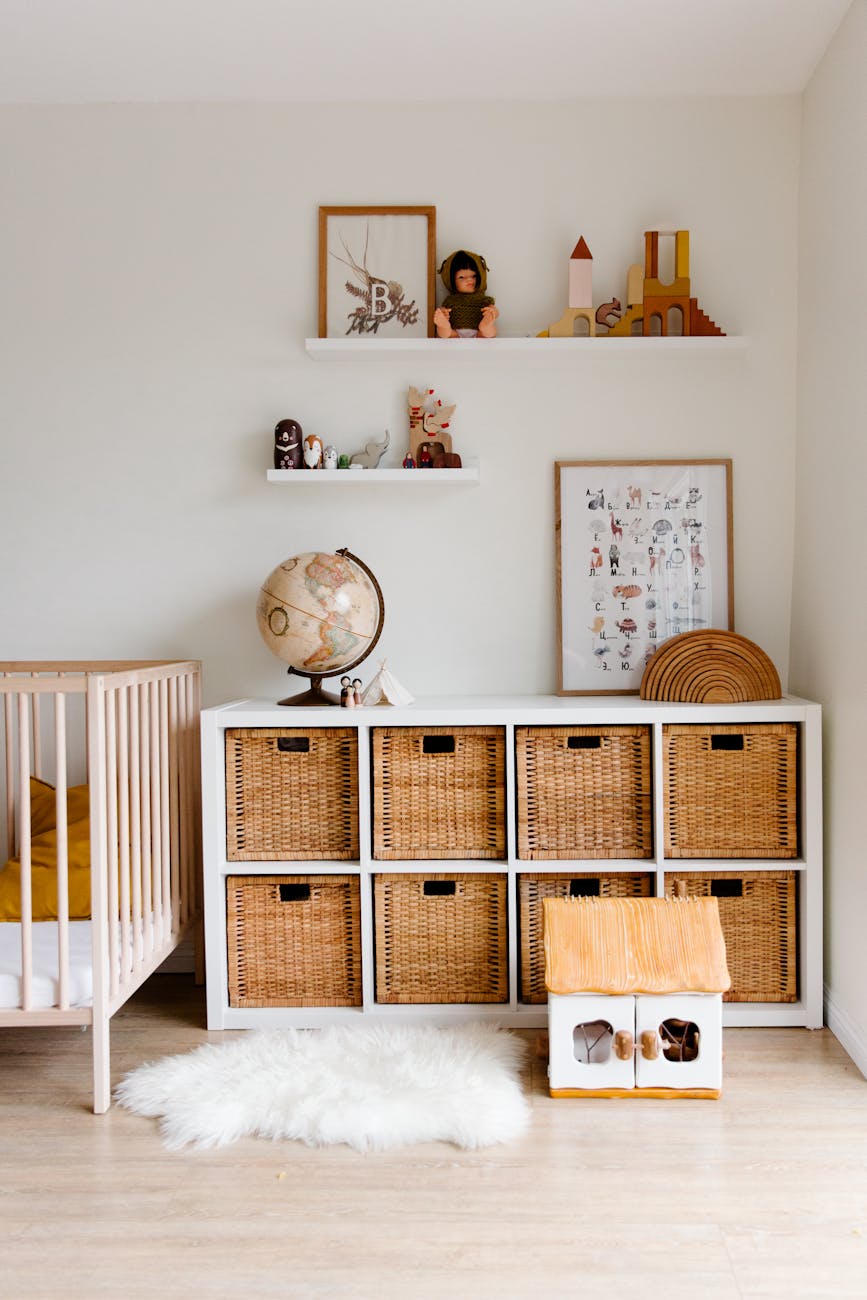
The Kids’ Bedrooms: Start Here for Maximum Impact
Why start with bedrooms? Kids feel ownership over these spaces, making them more invested in the process.
Step 1: The 15-Minute Pickup (Ages 3+) Set a timer and have everyone put obvious trash and misplaced items in the right spots. Make it a game . “Can we beat yesterday’s time?”
Step 2: Clothes Conquest (15-20 minutes)
- Pull everything out of drawers and closets
- Try on questionable sizes immediately (kids grow so fast!)
- Create three piles: Fits, Too Small, Too Big
Real Example: My then 8-year-old discovered he had 12 t-shirts but only wore 3 regularly. We donated 6 and kept 6. This was enough for variety without overwhelming his small dresser.
Step 3: Toy Triage (20-30 minutes) Use the “joy test”. If it doesn’t make them genuinely excited, it goes in the donate pile. For kids under 5, limit choices to 2-3 items at a time to prevent overwhelm.
Step 4: Book Balance Keep books at your child’s current reading level plus a few challenge books. Donate books they’ve outgrown to make space for new interests.
Pro Tip: Create a “memory box” for each child with a size limit. They can keep truly special items that don’t fit anywhere else. But when the box is full, something has to go.
The Living Room: Creating Calm Common Space
Step 1: Surface Clear (10 minutes) Remove everything that doesn’t belong in the living room using your “Relocate” container.
Step 2: Toy Territory Assessment Decide on a maximum number of toys allowed in shared spaces. When my boys were younger I used the “toy basket rule”. Only what fits in one designated basket can stay in the living room.
Step 3: Media Management
- Keep only current favorites for movies/games
- Create a rotation system for the rest
- Establish a “one in, one out” rule for new additions
Real Example: In the days of DVDS, we had DVDs scattered everywhere. Then, we kept just 10 family favorites in a small basket. The kids actually watched movies more intentionally. We stored the rest just in case!
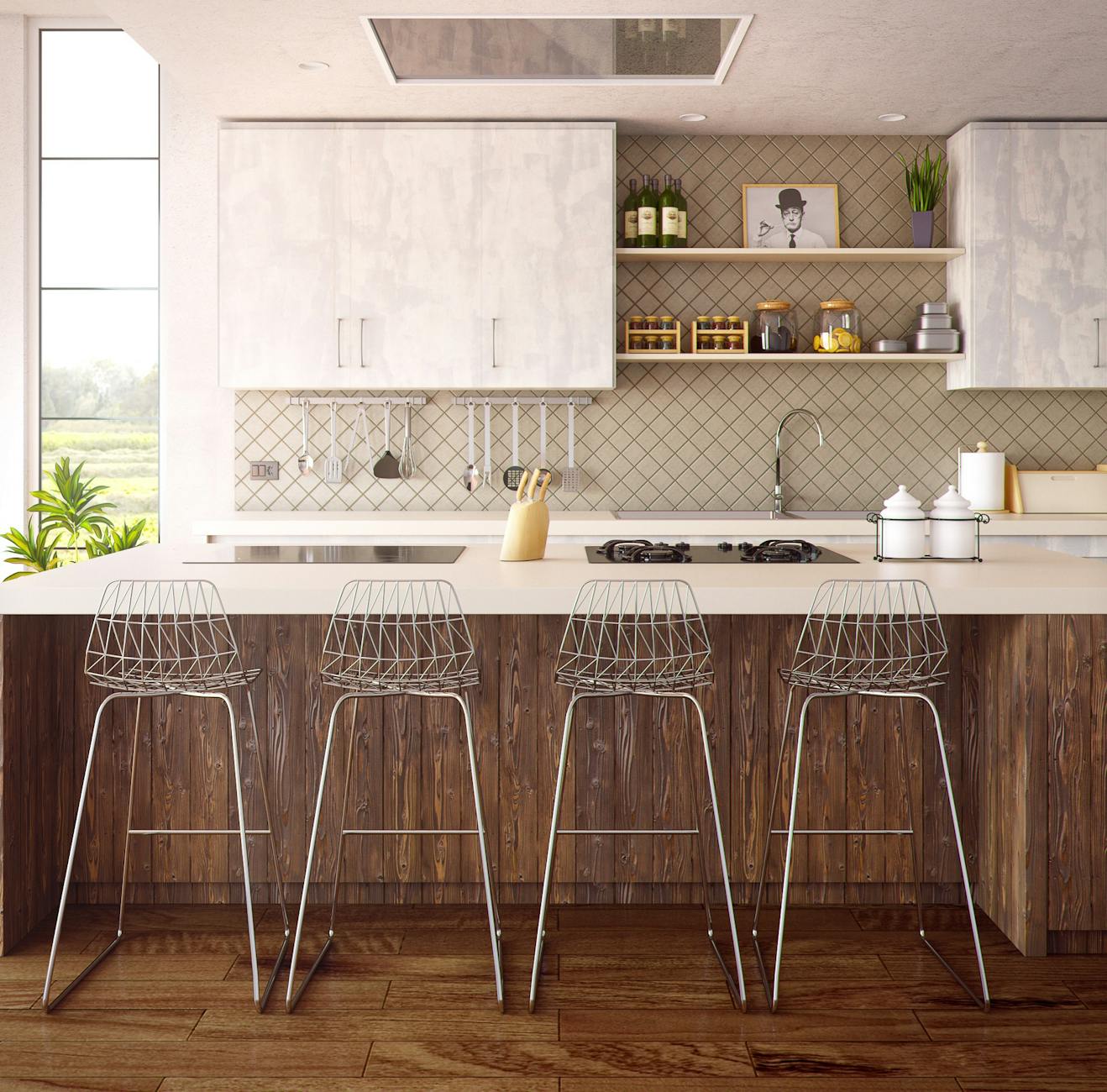
The Kitchen: Functional Family Hub
Step 1: Kid-Accessible Areas First
- Snack cabinet: Keep only healthy options kids can grab independently
- Water bottle collection: Limit to 2 per person
- Art supplies: Designate one drawer with just current favorites
Step 2: Appliance Audit If you haven’t used it in 6 months and it’s not seasonal, consider donating. If you have the space you can also store it. Small appliances that only serve one purpose often aren’t worth the storage space in busy family kitchens.
Step 3: Paper Control System
- Create an immediate action station for school papers
- Set up a “keepsake folder” for each child’s special artwork
- Establish a weekly paper purge routine
The Bathroom: Simplified Self-Care
Step 1: Product Purge Check expiration dates and toss anything old. Keep only what your family actively uses.
Step 2: Towel Logic Two sets per person maximum. One in use, one in the wash.
Step 3: Toy Float Test For bath toys, if it can’t dry completely between uses, it’s a mold risk and should go.
“Unlock your free printable guide to transform these steps into action!”
If you want to improve your space beyond decluttering check out my previous post Creating Calm Spaces: How Your Home Environment Affects Family Well-Being.
Age-Appropriate Involvement Strategies
Ages 2-4: The Helper Stage
- Give simple choices: “Should we donate this toy or keep it?”
- Use visual systems like picture labels on bins
- Focus on one category at a time
- Celebrate every contribution: “You’re such a good helper!”
Ages 5-8: The Decision Maker Stage
- Let them lead the sorting process with your guidance
- Introduce the concept of donating to help other kids
- Create donation ceremonies to make giving feel special
- Start teaching basic organizing principles
Ages 9+: The Partner Stage
- Involve them in planning the decluttering approach
- Let them research donation locations
- Teach cost-benefit thinking: “Is this worth the space it takes?”
- Encourage them to help younger siblings
Maintaining Your Progress: The Real Challenge
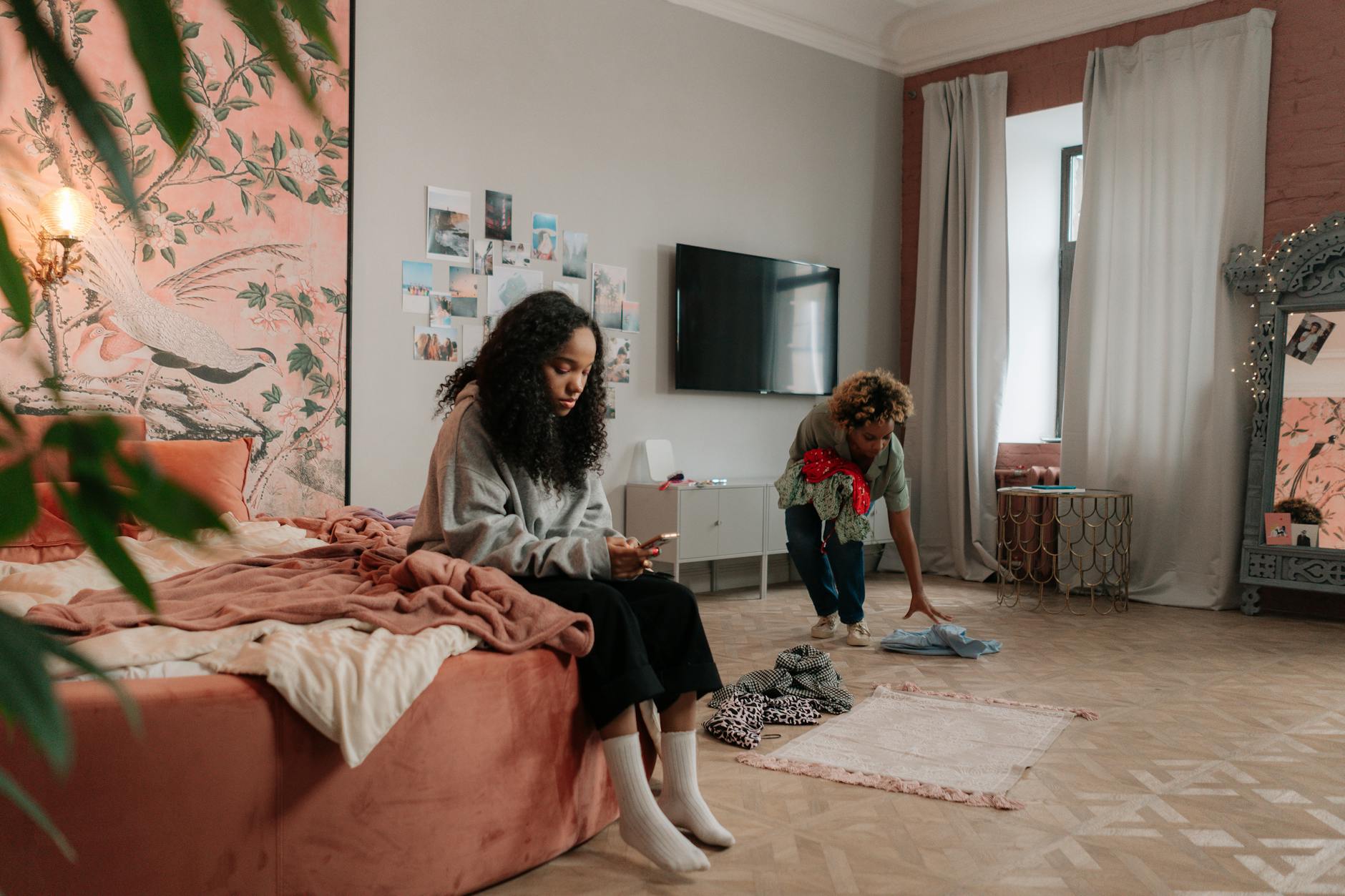
The truth? Decluttering is only 20% of the battle. Maintaining systems with kids requires ongoing attention and flexibility.
Weekly Maintenance Rituals
Sunday Reset (15 minutes) Each family member spends 15 minutes returning items to their designated homes.
Monthly Mini-Purges (30 minutes) Quick sweep through one room to catch items that have accumulated.
Seasonal Deep Dives (2 hours) Four times a year, do a more thorough assessment and adjustment of systems.
Teaching Ownership, Not Perfection
I used to micromanage every organizing decision. This approach taught my kids to depend on me. They did not develop their own systems. Now I focus on teaching principles:
- Everything needs a home
- Return items after use
- One in, one out for new toys/clothes
- We keep things that make us happy and are useful
When Kids Resist: Troubleshooting Common Challenges
“But I Love Everything!”
Start with obvious trash and broken items. Build momentum with easy decisions before tackling emotional attachments.
Sibling Conflicts
Give each child their own sorting containers and space. Set ground rules that no one can make decisions about someone else’s belongings.
Overwhelm Meltdowns
Stop immediately. Offer a snack, hug, or break. Sometimes we need to split the process across multiple days, and that’s perfectly okay.
“It’s Too Hard!”
Lower the bar. Maybe today we only sort one drawer. This is all about progress and moving forward, even in tiny steps.
The Unexpected Benefits We Discovered
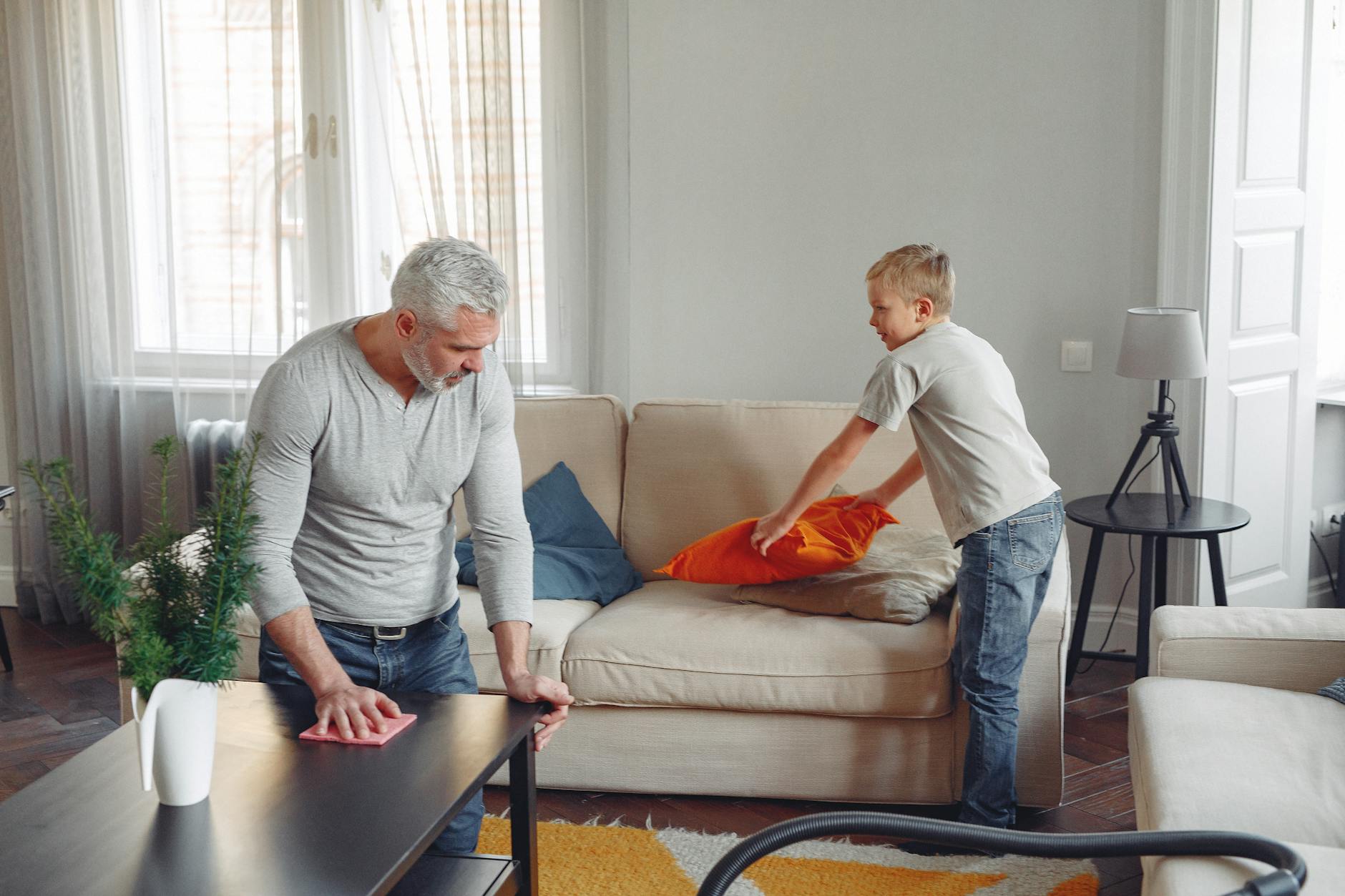
Beyond having a tidier home, this room-by-room approach taught our family valuable life skills:
- Decision-making confidence for the kids
- Gratitude for what we have
- Empathy through donating to others
- Teamwork in maintaining our shared spaces
- Reduced anxiety for everyone (clear spaces really do create calmer minds)
Your Action Plan for This Week
Don’t try to tackle everything at once. Start small and build momentum:
- Choose one child’s bedroom as your starting point
- Set aside 2 hours when your child is rested and fed
- Gather your supplies and put on energizing music
- Follow the bedroom steps outlined above
- Celebrate your progress – take before and after photos!
Remember, this isn’t about achieving magazine-perfect spaces. It’s about creating homes that support your family’s well-being and teaching kids valuable life skills in the process.
Ready to transform your home into a peaceful haven? Download my free Clutter Free Family Toolkit with printable checklists, kid-friendly organizing labels, and a maintenance schedule that actually works with real family life. No more starting over every week!” [DOWNLOAD IT HERE!]
A Final Thought
Last month, my son came home from a friend’s house and said, “Mom, I like how our house feels peaceful. It’s easier to find my stuff. My friend’s house is not like that and it feels really chaotic in there!”
That moment reminded me why this room-by-room approach matters. We’re not just organizing stuff. We’re creating environments where our families can thrive.
Your home doesn’t need to be perfect. It just needs to work for your family. By using these room by room strategies, you’re starting to create a supportive space. This space will enhance the vibrant and balanced life you’re building together.
What room will you start with? I’d love to hear about your decluttering wins (and challenges!) in the comments below.
Want more evidence-based strategies for creating a healthy home environment? Download my free “Clutter Free Family Toolkit” with printable organizing labels and a family maintenance schedule that actually works.
References
- Arnold, J. E., Graesch, A. P., Ragazzini, E., & Ochs, E. (2012). Life at Home in the Twenty-first Century: 32 Families Open Their Doors. UCLA Center on Everyday Lives and Families.
- McMains, S., & Kastner, S. (2011). Interactions of top-down and bottom-up mechanisms in human visual cortex. Journal of Neuroscience, 31(2), 587-597.
- Ferrari, M. (2020). The impact of home organization on childhood development and family stress. Journal of Environmental Psychology, 45, 12-23.
About the Author: Jaime is a senior college instructor with a M.S. in Family and Developmental Studies. She is a certified health, life and mastery coach. She is married with two teenage sons. Throughout her journey of balancing motherhood, career and life she has become an advocate for maternal health and well-being. She believes that when Moms thrive, families flourish.
 Balanced Mom Blueprint
Leave a comment