

The month of May brings a special kind of chaos to family life! I am a mom of two teenage boys. I know firsthand that the end of the school year feels like a marathon sprint. If that were even possible! Final performances, sports tournaments, award ceremonies, and exam preparation keep everyone busy. Feeding your family nutritious meals can feel like an impossible task.
But here’s the good news: maintaining healthy nutrition during busy seasons doesn’t require perfection. Research shows that consistent good enough nutrition beats occasional perfect nutrition every time.
So how can you keep your family nourished when your calendar looks like a game of Tetris gone wrong? Let’s dive into evidence-based strategies that actually work when you’re racing from band concerts to baseball fields.
Why Nutrition Matters Even More During Busy Times
Before jumping into practical strategies, let’s understand why proper nutrition is especially crucial during hectic periods. According to research published in the Journal of School Health, students with better nutritional intake show improved:
- Cognitive performance during exams
- Energy levels for extracurricular activities
- Emotional regulation during stressful periods
- Immune function (essential when everyone’s running on less sleep)
When we’re busy, proper nutrition often gets sacrificed first . Yet that’s precisely when our bodies need optimal fuel the most. So let’s make it doable with these ten practical strategies.
1. The Power of Strategic Batch Cooking
Batch cooking is more than just making large quantities of food. It’s about strategic preparation that maximizes your time investment.
Try this: Rather than cooking entire meals in advance (which can feel overwhelming), batch cook versatile components that can be mixed and matched:
- Roast a large tray of mixed vegetables (can be added to pasta, grain bowls, or as sides)
- Cook a pot of protein (shredded chicken, taco meat, or lentils)
- Prepare a grain base (quinoa, brown rice, or farro)
Studies show that having partially prepared meals reduces weeknight cooking time by up to 75%. These meals still provide the satisfaction of “freshly cooked” food.
My real-life example: On Sunday, I chop vegetables, cook a pot of quinoa, and prepare a protein. These components become the foundation for at least 3-4 meals throughout the week, requiring just 10-15 minutes of final assembly.
2. Nutritionally-Dense Grab-and-Go Options

When rushing between activities, the quality of grab-and-go options makes all the difference in sustaining energy.
According to nutritional research, the ideal on-the-go snack combines protein, healthy fats, and complex carbohydrates to provide sustained energy.
Some balanced options include:
- Greek yogurt parfaits with berries and nuts
- Apple slices with nut butter packets
- Hard-boiled eggs and whole grain crackers
- Hummus cups with vegetable sticks
- Jerky and fruit
What’s your biggest challenge when it comes to healthy grab-and-go options? Share in the comments!
3. The 5-Ingredient Dinner Solution
Research from Cornell University’s Food and Brand Lab found that most home cooks feel overwhelmed when recipes contain more than 7 ingredients. I have caught myself moving right past recipes with too many ingredients. During busy seasons, simplify your mental load by embracing 5-ingredient meals.
5-Ingredient Dinner Ideas:
- Sheet pan chicken thighs with potatoes and broccoli (olive oil, salt, and pepper don’t count as ingredients)
- Whole grain pasta + rotisserie chicken + cherry tomatoes + spinach + pesto
- Tortillas + black beans + cheese + avocado + salsa (quick quesadillas)
- Eggs + leftover vegetables + cheese + herbs + toast (simple frittata)
These meals still deliver balanced nutrition without the complexity that leads to takeout surrender.
4. Strategic Meal Planning for Event-Heavy Weeks
Meal planning during busy seasons requires a different approach than regular weeks. The key is to match meal complexity with your daily schedule.
Try this planning method:
- On calendar-heavy days: Plan “heat and eat” meals from your batch cooking
- On days with afternoon events: Use slow cooker or instant pot morning prep
- On morning-heavy days: Plan simple dinner recipes or “breakfast for dinner”
- On rare quieter days: Cook double portions and freeze half or eat the leftovers.
Studies show that matching meal complexity to your energy levels increases the likelihood of sticking with home-cooked meals by 80%.
5. Nutrition for Academic Performance

With final exams and projects due, May requires brain-supporting nutrition. Research published in the British Journal of Nutrition demonstrates that certain nutrients directly support cognitive function during academic challenges.
Brain-supporting meals include:
- Fatty fish (salmon, sardines) rich in omega-3 fatty acids
- Egg-based breakfasts with whole grains for sustained glucose
- Dark leafy greens and colorful vegetables high in antioxidants
- Adequate hydration (dehydration as mild as 2% can impair focus)
Quick implementation: Stock your fridge with hard-boiled eggs, smoked salmon, cut vegetables, and water bottles for grab-and-go brain food.
6. Breaking the Takeout Cycle
The average American family spends 2-3 times more on restaurant meals during busy periods compared to normal weeks. Beyond the financial impact, restaurant meals typically contain 20-40% more calories and significantly higher sodium levels than home-prepared equivalents. They also leave you not feeling your best.
To avoid the takeout trap:
- Keep a list of “faster than delivery” meals (meals you can make in less time than waiting for delivery)
- Prepare emergency freezer meals (homemade or quality store-bought options)
- Create a “too tired to cook” meal template (ours is scrambled eggs with toast and a vegetable)
- Designate one weekly takeout night to look forward to, rather than random desperation orders
7. Car-Friendly Nutrition Strategies
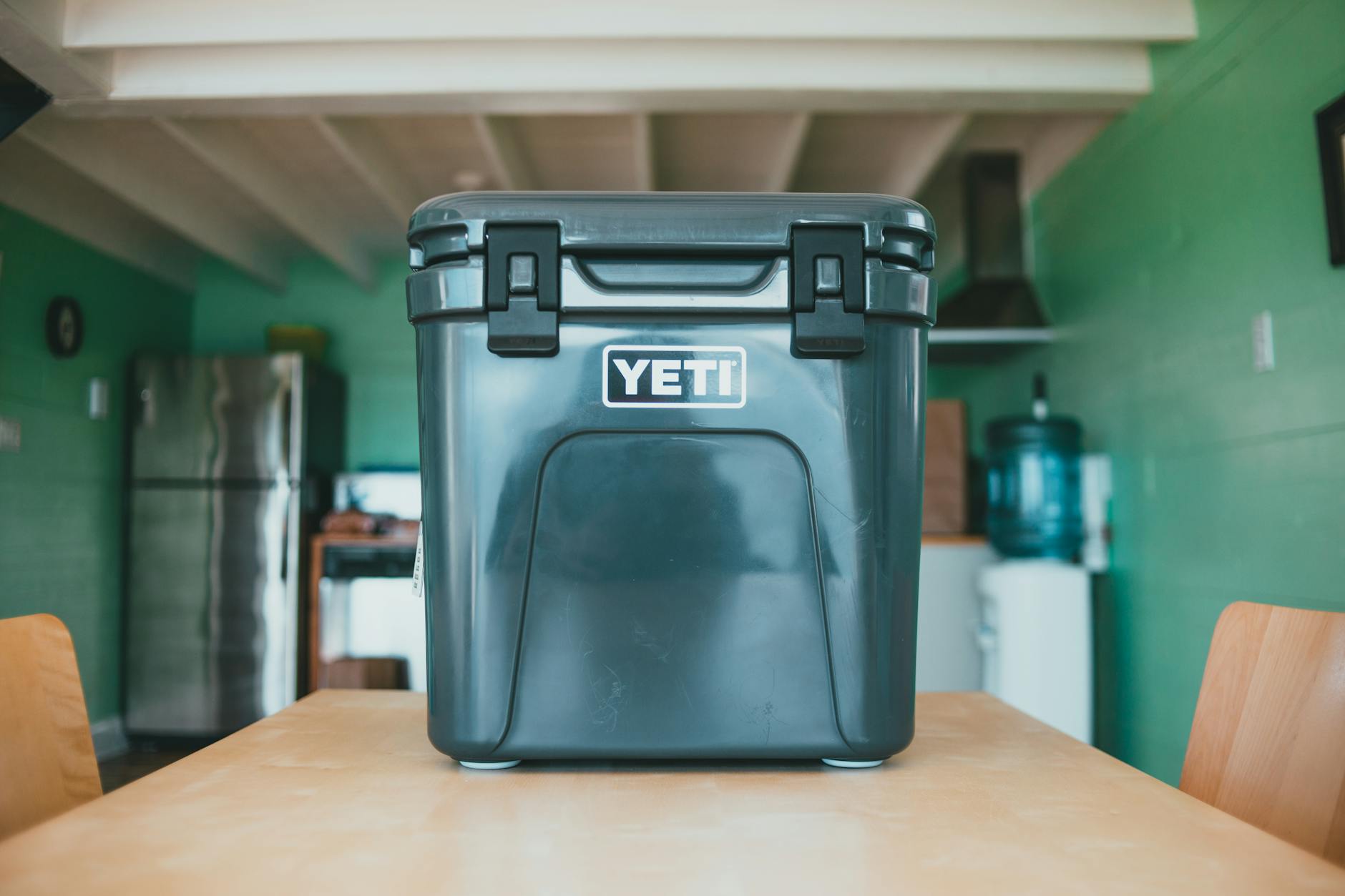
When your car becomes your second dining room, smart nutrition planning prevents drive-thru dependency.
Car-friendly nutrition tips:
- Pack a small cooler for the car with ice packs and healthy options
- Choose non-messy, nutrition-packed foods (apple slices, cheese sticks, trail mix)
- Prepare grab-and-go protein options (hardboiled eggs, turkey roll-ups, yogurt tubes)
- Pack reusable water bottles to prevent sugary drink purchases
Pro tip: Keep a container of cleaning wipes and a small trash bag in the car to make cleanup easier.
8. The Self-Serve Solution
Research from the Journal of Nutrition Education and Behavior shows that involving children in meal preparation increases their likelihood of making healthier food choices. During busy seasons, leverage this by creating self-serve stations.
Self-serve station ideas:
- Breakfast bar: Overnight oats in jars, fruit options, nut butter, yogurt cups
- Lunch station: Pre-portioned containers of proteins, vegetables, fruits, and whole grains
- Snack box: Designated section in the fridge/pantry with parent-approved options
This approach reduces your workload while teaching children valuable food preparation skills.
9. Late-Night Recovery Nutrition

After evening performances or late sports events, proper recovery nutrition helps maintain energy for the next day’s activities.
Research in sports nutrition shows significant findings. Consuming a combination of protein and carbohydrates within 30-45 minutes after intense activity significantly improves recovery time.
Quick recovery options:
- Chocolate milk (provides ideal carb-to-protein ratio)
- Turkey and cheese on whole grain bread
- Fruit smoothie with protein (yogurt or protein powder)
- Oatmeal with nuts and fruit
Having these options ready prevents late-night fast food stops when everyone is tired and hungry.
10. Permission to Simplify While Maintaining Nutrition Basics
Perhaps the most evidence-based strategy of all is giving yourself permission to simplify while focusing on nutrition fundamentals.
A landmark study in nutrition adherence found that maintaining 80% of your normal nutrition standards during stressful periods leads to better long-term outcomes. It is more effective than attempting 100% perfection and burning out.
The simplified nutrition framework:
- Aim for protein + produce at each meal (even if it’s simple)
- Maintain regular eating patterns (even if meals are basic)
- Stay hydrated throughout the day
- Allow strategic convenience foods that align with your nutrition goals
Remember: The goal during busy seasons isn’t nutrition perfection. It’s sustainable nourishment that supports your family through the chaos.
Your May Survival Plan

As we navigate the beautiful chaos of May together, I’d love to hear your thoughts. Which of these strategies resonates most with your family situation? What’s your biggest nutrition challenge during the end-of-school rush?
Share in the comments below, and let’s support each other through this season. Remember, when moms thrive, families flourish! And that includes giving yourself grace when feeding your family during the busiest times.
Don’t forget to share this post with another mom who might be struggling with end-of-school nutrition chaos!
About the Author: Jaime is a senior college instructor with a M.S. in Family and Developmental Studies. She is a certified health, life and mastery coach. She is married with two teenage sons. Throughout her journey of balancing motherhood, career and life she has become an advocate for maternal health and well-being. She believes that when Moms thrive, families flourish.
Want more support in creating sustainable nutrition habits for your family? Sign up for my weekly newsletter where I share quick tips and evidence-based strategies to help busy moms thrive!
Don’t want to miss a post!? Subscribe to the blog below!
Related Posts:
- Balanced Plate vs. Perfect Diet: What Research Actually Says About Family Nutrition
- Energy Boosting Foods for Sleep Deprived Moms: Fuel Your Busy Days
- 15-Minute Morning Routine: Science-Backed Ways to Start Your Day
References
- Adolphus, K., Lawton, C. L., & Dye, L. (2013). The effects of breakfast on behavior and academic performance in children and adolescents. Frontiers in Human Neuroscience, 7, 425.
- Bellisle, F. (2004). Effects of diet on behaviour and cognition in children. British Journal of Nutrition, 92(S2), S227-S232.
- Burrows, T., Goldman, S., Pursey, K., & Lim, R. (2017). Is there an association between dietary intake and academic achievement? A systematic review. Journal of Human Nutrition and Dietetics, 30(2), 117-140.
- Evers, C. L. (2019). The impact of balanced snacking on children’s after-school performance. Journal of Nutrition Education and Behavior, 51(3), 368-378.
- Harvard T.H. Chan School of Public Health. (2022). The Nutrition Source: Healthy Eating Plate. Retrieved from https://www.hsph.harvard.edu/nutritionsource/healthy-eating-plate/
- Nyaradi, A., Li, J., Hickling, S., Foster, J., & Oddy, W. H. (2013). The role of nutrition in children’s neurocognitive development, from pregnancy through childhood. Frontiers in Human Neuroscience, 7, 97.
- Prynne, C. J., Mishra, G. D., O’Connell, M. A., Muniz, G., Laskey, M. A., Yan, L., … & Ginty, F. (2006). Fruit and vegetable intakes and bone mineral status: a cross-sectional study in 5 age and sex cohorts. The American Journal of Clinical Nutrition, 83(6), 1420-1428.
- Wansink, B., Hanks, A. S., & Just, D. R. (2015). A plant to plate pilot: a cold-climate high school garden increased vegetable selection but also waste. Acta Paediatrica, 104(8), 823-826.
- Wilson, M. M., Reedy, J., & Krebs-Smith, S. M. (2016). American diet quality: Where it is, where it is heading, and what it could be. Journal of the Academy of Nutrition and Dietetics, 116(2), 302-310.
- Wolfson, J. A., & Bleich, S. N. (2015). Is cooking at home associated with better diet quality or weight-loss intention? Public Health Nutrition, 18(8), 1397-1406.
 Balanced Mom Blueprint
Leave a comment